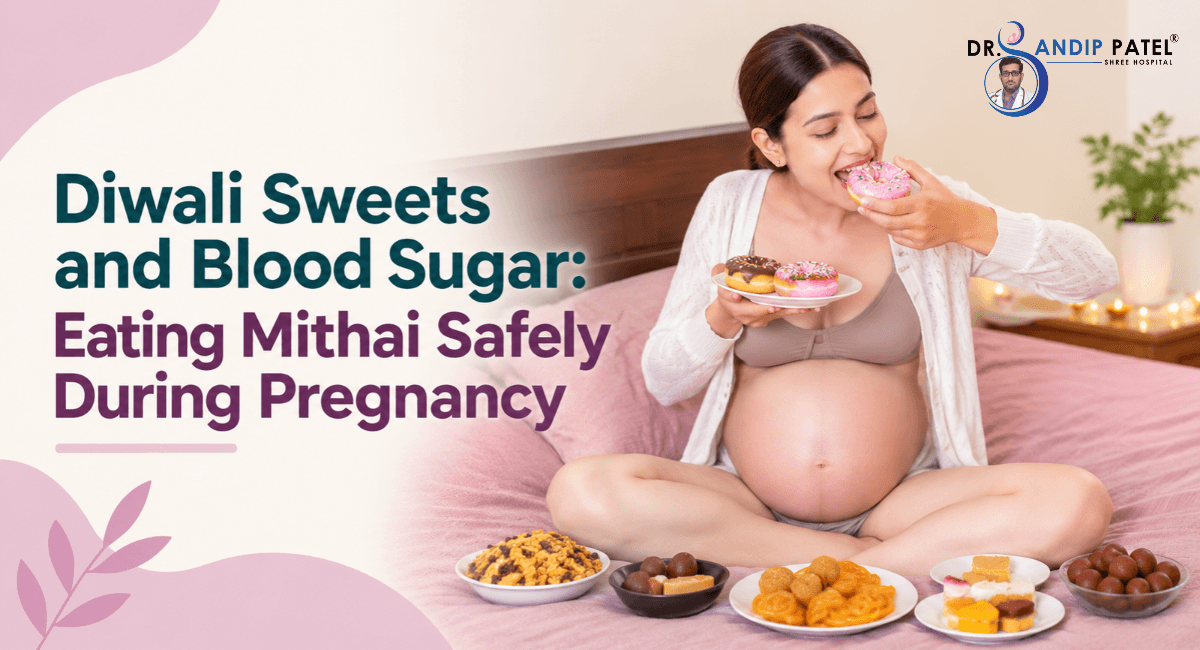
Diwali is a time for family gatherings, decorations, and delicious sweets. During pregnancy, it is natural to wonder whether you can enjoy your favourite mithai without affecting your health or your baby. Diwali sweets during pregnancy do not have to be completely avoided, but portion sizes, ingredients, and your individual health matter. A little planning can help you celebrate while making balanced food choices.
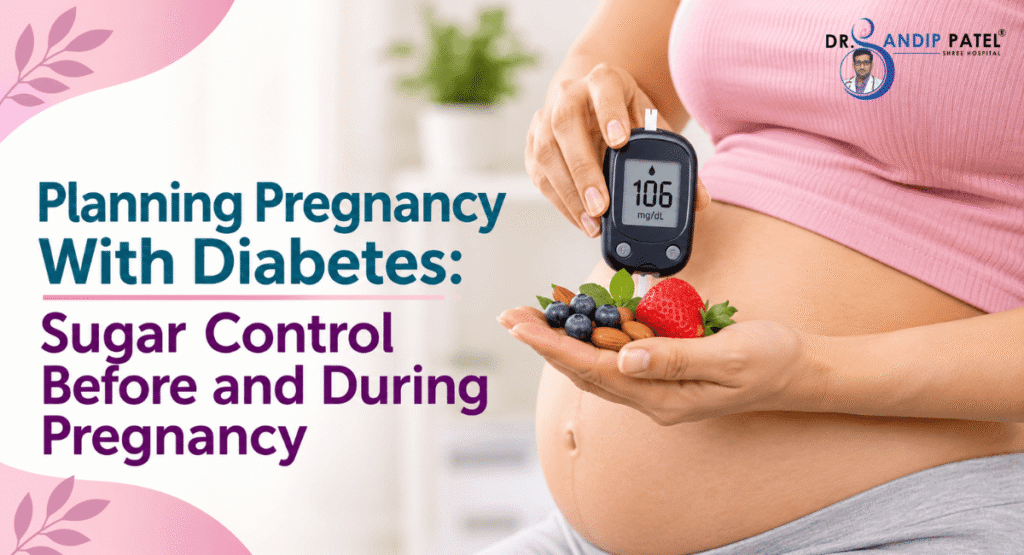
Pregnancy brings changes to the body, including the way it processes sugar. Eating too many sugary foods may increase blood glucose levels, which is especially important for women with gestational diabetes. Understanding a few simple food habits can help you enjoy festive treats more carefully.
Diwali celebrations often include a variety of traditional sweets, from kaju katli and gulab jamun to ladoo and barfi. During pregnancy, however, the way your body processes food changes. This can make Diwali sweets during pregnancy an important topic, particularly for women whose blood glucose levels need monitoring.
Sugar is not the only thing that affects blood glucose. The type of carbohydrate, ingredients in sweets, portion size, and the combination of foods you eat also matter. Understanding these factors can help you make informed choices without feeling that you need to miss out on every festive treat.
During pregnancy, the placenta produces hormones that help your baby grow. These hormones can also make the mother’s body less sensitive to insulin. Insulin is a hormone that helps move glucose from the blood into the body’s cells for energy.
The pancreas normally produces more insulin to manage this change. However, when the body cannot produce enough insulin to meet its needs, blood glucose levels can become higher than normal. This condition is called gestational diabetes.
This is why sugar intake in pregnancy needs attention, especially during the second and third trimesters when insulin resistance can increase.
Not all sweets have the same ingredients, but many contain carbohydrates that can raise blood glucose.
Here are some common examples:
When considering mithai during pregnancy, remember that ingredients such as nuts or milk do not automatically make a sweet suitable for unrestricted consumption.
For women diagnosed with gestational diabetes, eating sweets requires more careful planning. High blood glucose levels during pregnancy can increase the chances of complications such as a larger-than-average baby, difficult delivery, and low blood glucose in the newborn.
A personalised gestational diabetes diet usually focuses on distributing carbohydrates across meals and snacks rather than consuming a large amount at once.
Your doctor or dietitian may recommend:
If you are unsure about your glucose report, you can read our guide to gestational diabetes test results.
Sugar-free sweets may sound like a safer option, but they are not necessarily carbohydrate-free. Ingredients such as flour, milk solids, and dates can still contribute carbohydrates.
Similarly, replacing white sugar with jaggery, honey, or coconut sugar does not remove the effect on blood glucose. These ingredients also contain sugars that can raise glucose levels.
Some homemade healthy Diwali sweets may allow better control over ingredients and added sugar. However, their nutritional value depends on the recipe and portion size. Women with gestational diabetes should check whether these options fit their individual meal plan.
Occasional sweet consumption does not automatically harm your baby. The bigger concern is consistently high blood glucose, particularly when gestational diabetes is not properly managed.
Excess glucose can cross the placenta and reach the baby. The baby’s body may respond by producing more insulin, which can contribute to excessive growth. After birth, the baby’s blood glucose may also fall because the extra insulin production continues for some time.
This is why eating sweets during pregnancy should be considered alongside your overall diet and blood glucose control, rather than looking at one sweet in isolation.
Diwali sweets during pregnancy can be approached with awareness rather than unnecessary restrictions. Understanding how different ingredients affect blood glucose, following your recommended meal plan, and attending regular antenatal check-ups can support a healthier pregnancy.
For pregnancy-related dietary guidance and maternity care, visit Shree Hospital. If you have gestational diabetes or concerns about your blood glucose levels, contact Shree Hospital Anklav to discuss appropriate care with a healthcare professional.
The best laparoscopic surgeon in Anklav is one with proven experience, advanced surgical skills, and a patient-first approach. At Shree Hospital, Dr. Sandip Patel is known for his expertise in minimally invasive gynec surgery and consistent outcomes.
Laparoscopic surgery is commonly used to treat ovarian cysts, fibroids, endometriosis, ectopic pregnancy, and infertility-related conditions. It is also used for diagnosis in certain unclear cases.
Yes, laparoscopic surgery is considered very safe when performed by an experienced laparoscopy specialist. It involves smaller cuts, less pain, and a lower risk of complications compared to open surgery.
Recovery is usually faster than traditional surgery. Most patients can return to normal activities within a few days to a week, depending on the procedure and individual health.
Look for a qualified surgeon with experience in advanced laparoscopic procedures, positive patient outcomes, and access to a well-equipped hospital. Personal consultation also helps you feel confident and informed before treatment.
Let’s discuss your fertility goals and create a personalized treatment plan for you.