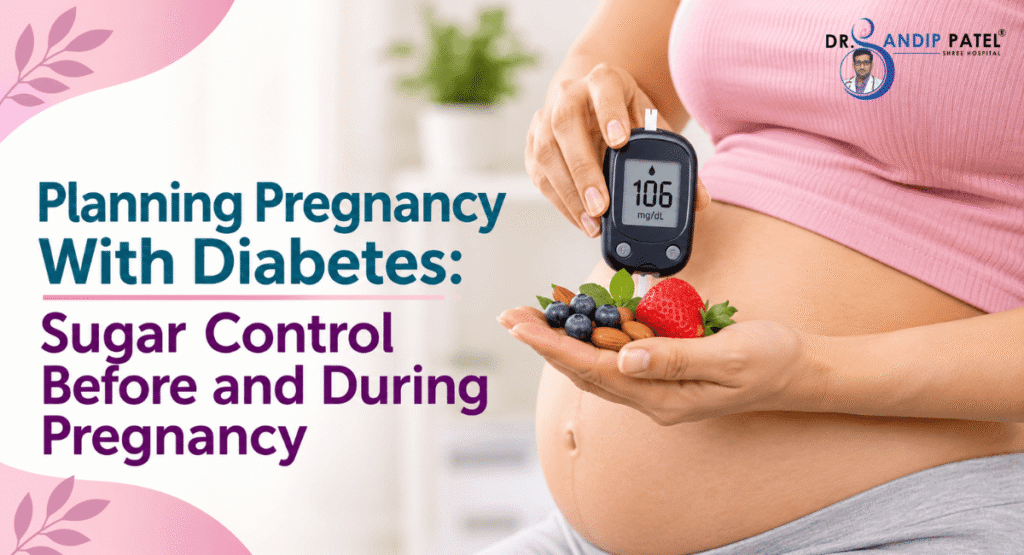
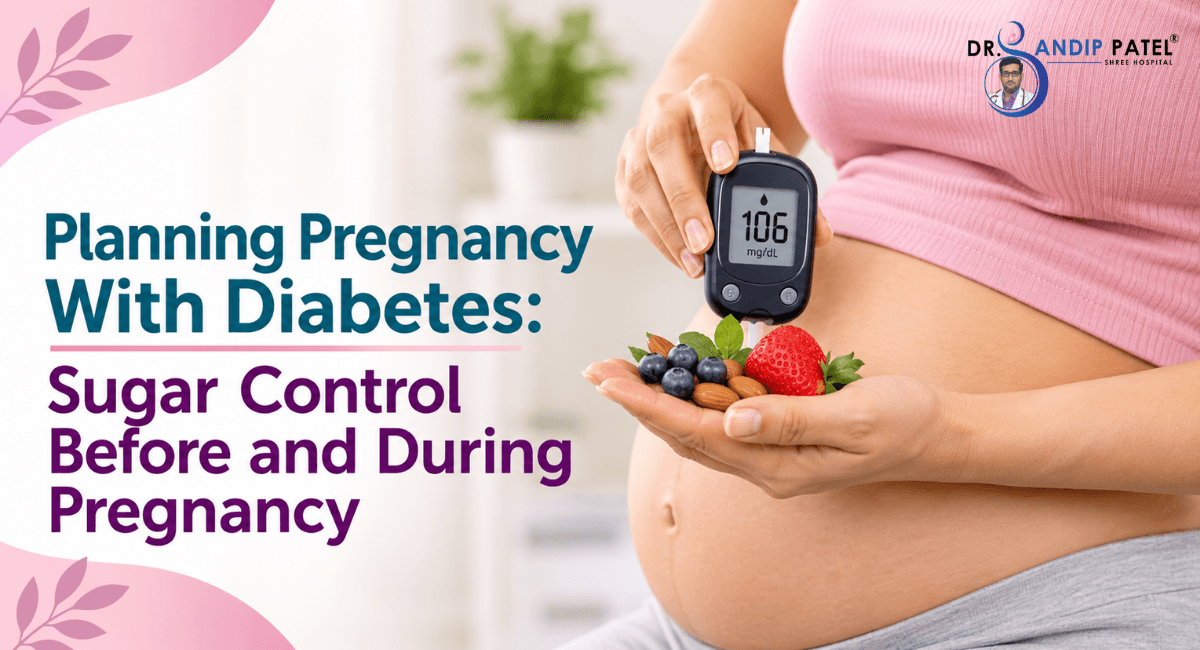
Having diabetes does not mean you cannot have a healthy pregnancy. Many women with diabetes have healthy babies with proper medical care and blood sugar management. However, planning ahead is important because high blood sugar around the time of conception and during early pregnancy can affect the baby’s development.
Pregnancy with diabetes needs regular monitoring and guidance from healthcare professionals. Whether you have type 1 or type 2 diabetes, controlling your blood sugar before trying to conceive can help reduce possible complications for both mother and baby.
Diabetes does not automatically prevent a woman from becoming pregnant. However, poorly controlled blood sugar may affect reproductive health and increase the chances of certain pregnancy complications. This is why diabetes and fertility should be discussed during a pre-pregnancy consultation.
High blood sugar can also affect the early development of the baby’s organs, sometimes before a woman knows she is pregnant. Good preparation can help reduce these risks.
Blood sugar control before pregnancy is one of the most important steps for women who already have diabetes.
Before trying to conceive, consider these steps with your doctor’s guidance:
Your doctor may also recommend folic acid at a higher dose than usual for women with diabetes. Ask about the correct dose before conception.
Once pregnancy is confirmed, regular medical follow-up becomes even more important. Blood sugar levels may change as pregnancy progresses, so your treatment plan may need adjustments.
Women with type 1 diabetes pregnancy concerns need close monitoring because insulin is essential for managing type 1 diabetes. Women with type 2 diabetes may also need changes to their medicines or treatment plan.
Insulin during pregnancy is commonly used when required to keep blood sugar within the recommended range. Your doctor will decide the suitable treatment and dose based on your readings. Do not reduce or stop insulin on your own.
Regular blood sugar checks, pregnancy scans, and antenatal appointments help the medical team monitor both mother and baby’s health.
Poorly controlled diabetes can increase the risk of:
These diabetes pregnancy risks can be reduced with proper planning, treatment, and regular monitoring. However, no treatment can remove every risk completely.
Women with pre-existing diabetes in pregnancy may need more frequent appointments and additional checks than women without diabetes.
Pregnancy with diabetes requires attention before conception and throughout the pregnancy. With suitable blood sugar control, regular check-ups, and an individual treatment plan, many women with diabetes can have a healthy pregnancy.
For pregnancy care and guidance, visit Shree Hospital. If you have diabetes and are planning a baby, contact Shree Hospital Anklav to discuss your health, pregnancy planning, and the care you may need.
The best laparoscopic surgeon in Anklav is one with proven experience, advanced surgical skills, and a patient-first approach. At Shree Hospital, Dr. Sandip Patel is known for his expertise in minimally invasive gynec surgery and consistent outcomes.
Laparoscopic surgery is commonly used to treat ovarian cysts, fibroids, endometriosis, ectopic pregnancy, and infertility-related conditions. It is also used for diagnosis in certain unclear cases.
Yes, laparoscopic surgery is considered very safe when performed by an experienced laparoscopy specialist. It involves smaller cuts, less pain, and a lower risk of complications compared to open surgery.
Recovery is usually faster than traditional surgery. Most patients can return to normal activities within a few days to a week, depending on the procedure and individual health.
Look for a qualified surgeon with experience in advanced laparoscopic procedures, positive patient outcomes, and access to a well-equipped hospital. Personal consultation also helps you feel confident and informed before treatment.
Let’s discuss your fertility goals and create a personalized treatment plan for you.