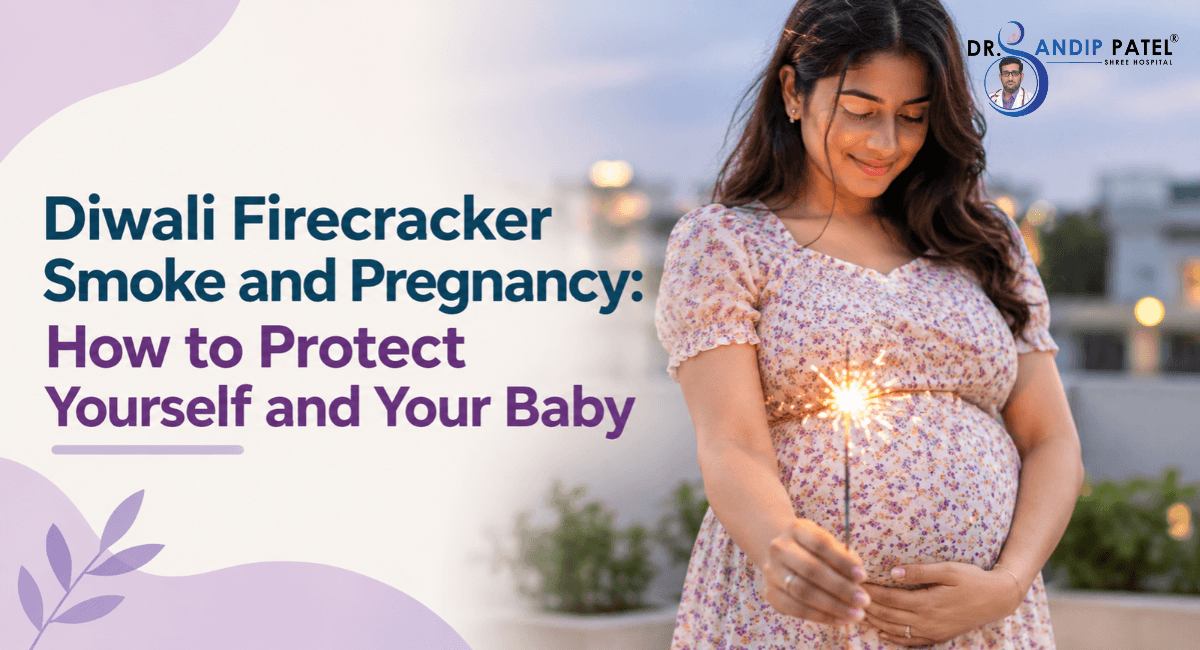
Diwali is a time for family gatherings, lights, and celebrations. However, firecrackers release smoke, gases, and tiny particles that can affect air quality. For expectant mothers, firecracker smoke during pregnancy is worth taking seriously, particularly if they have asthma or an existing heart or lung condition. Poor air quality may irritate the eyes, throat, and lungs and make breathing uncomfortable.
Pregnancy brings changes to the body, so taking sensible precautions during the festive season is important. Although brief exposure does not mean that harm has occurred, reducing contact with smoke is a practical way to protect your well-being. Knowing how to limit exposure and when to seek medical advice can help you enjoy Diwali more comfortably.
Firecracker smoke contains fine particles and gases that can enter the respiratory system. Air pollution during pregnancy is a concern because repeated or high exposure to polluted air has been associated with certain pregnancy complications, including premature birth and low birth weight. These outcomes can have many causes, and exposure does not mean they will happen.
Smoke exposure may be more concerning for women who already have asthma or heart and lung conditions. Understanding smoke exposure pregnancy risks can help expectant mothers make sensible choices. Air pollution during pregnancy should not be ignored, but there is no need to panic after brief exposure.
Regular antenatal appointments are also important for monitoring your health and your baby’s growth. You can find more information about ultrasound scans during pregnancy and discuss any concerns with your healthcare provider.
A few everyday steps can help reduce exposure to firecracker smoke during pregnancy.
Avoid areas where firecrackers are being burst. Keep windows and doors closed while outdoor smoke levels are high. If smoke enters your home, move to a cleaner room.
Check the local Air Quality Index (AQI) before going outside. If pollution levels are high, postpone outdoor walks and avoid crowded celebration areas. This is an important part of pregnancy safety during Diwali, especially in places where many firecrackers are used.
If you must go outside briefly, a well-fitted N95 mask may reduce the fine particles you breathe in. However, a mask for pregnant women does not provide complete protection from pollution. Ask your doctor whether it is suitable for you, particularly if wearing it makes breathing uncomfortable.
Avoid adding to indoor smoke by burning incense sticks, dhoop, or candles in closed rooms. If you use an air purifier, maintain it according to the manufacturer’s instructions.
Do not go for long walks or exercise near firecracker smoke. Choose a clean indoor space until the air quality improves.
Drink water regularly and continue your scheduled antenatal appointments. These habits support general wellbeing, although they do not remove the effects of pollution.
Firecracker smoke during pregnancy may cause coughing, throat irritation, or breathing discomfort. Contact your doctor if you develop a persistent cough, wheezing or breathing problems during pregnancy. Seek urgent medical attention if you experience severe breathlessness, chest pain, fainting, or symptoms that are getting worse. Do not try to manage severe symptoms at home.
If you have asthma or another existing condition, ask your doctor in advance how to manage it during periods of poor air quality. A suitable mask for pregnant women may help reduce particle exposure outdoors, but staying away from smoke is the better option whenever possible.
High or repeated exposure to air pollution has been associated with some pregnancy risks. Diwali pollution pregnant women may experience varies by location and the amount of smoke in the air. Reducing exposure is a sensible precaution.
Move to an area with cleaner air. If you develop persistent coughing, wheezing, or breathing problems during pregnancy, contact your healthcare provider. Seek urgent help for severe symptoms.
The safest approach is to avoid direct firecracker smoke during pregnancy and limit time outdoors when air quality is poor. Diwali pollution pregnant women encounter can vary from one area to another, so check local conditions and take precautions. Understanding smoke exposure pregnancy risks can help you make informed decisions without unnecessary worry.
For pregnancy-related guidance and maternity support, visit Shree Hospital. If you have symptoms or concerns, contact Shree Hospital Anklav to discuss the appropriate next steps with a healthcare professional.
The best laparoscopic surgeon in Anklav is one with proven experience, advanced surgical skills, and a patient-first approach. At Shree Hospital, Dr. Sandip Patel is known for his expertise in minimally invasive gynec surgery and consistent outcomes.
Laparoscopic surgery is commonly used to treat ovarian cysts, fibroids, endometriosis, ectopic pregnancy, and infertility-related conditions. It is also used for diagnosis in certain unclear cases.
Yes, laparoscopic surgery is considered very safe when performed by an experienced laparoscopy specialist. It involves smaller cuts, less pain, and a lower risk of complications compared to open surgery.
Recovery is usually faster than traditional surgery. Most patients can return to normal activities within a few days to a week, depending on the procedure and individual health.
Look for a qualified surgeon with experience in advanced laparoscopic procedures, positive patient outcomes, and access to a well-equipped hospital. Personal consultation also helps you feel confident and informed before treatment.
Let’s discuss your fertility goals and create a personalized treatment plan for you.