
Seeing your baby for the first time on an ultrasound can be one of the most emotional moments of pregnancy. But what happens when your doctor recommends another scan, and then another? A common question many expecting parents ask is, “Can multiple ultrasound scans during pregnancy harm my baby?”
The good news is that medically indicated ultrasound examinations are generally considered safe when performed by trained healthcare professionals using appropriate settings. Unlike X-rays, ultrasound uses sound waves rather than ionizing radiation. However, ultrasound should still be used thoughtfully, with each examination performed for a clear medical reason and with exposure kept as low as reasonably achievable.
So, are ultrasounds safe during pregnancy? Let us understand what the scans do, when they may be recommended, and why some women need more scans than others.
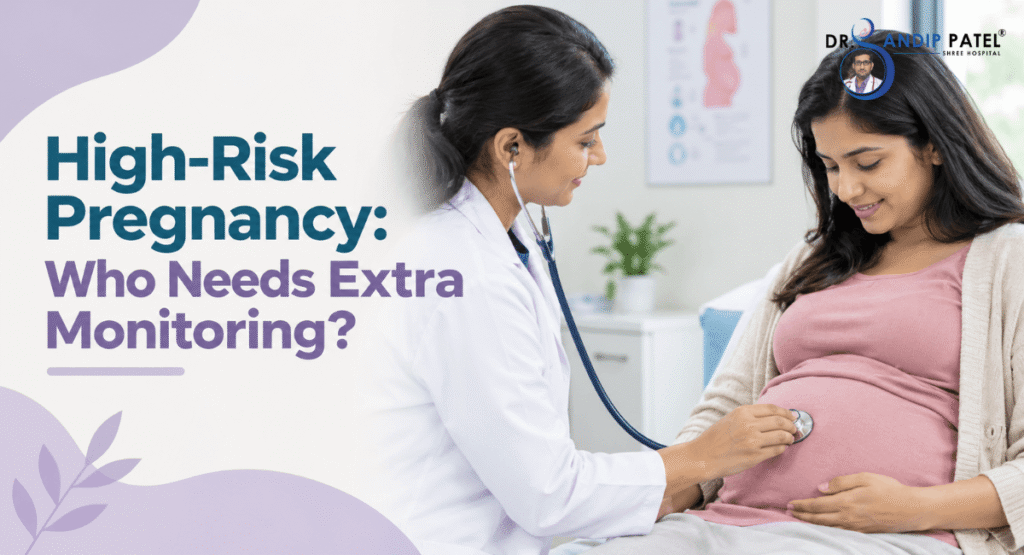
An ultrasound scan during pregnancy uses high-frequency sound waves to create images of the developing baby inside the uterus. It can help healthcare professionals assess the baby’s growth, development, position and heartbeat while also examining the placenta and other aspects of the pregnancy.
Ultrasound scans during pregnancy are commonly used for several purposes, including estimating gestational age, monitoring fetal growth, assessing anatomy and checking certain pregnancy-related concerns.
Because ultrasound does not use ionizing radiation, it has become an important part of prenatal care. The FDA notes that ultrasound has an established safety record when used prudently by appropriately trained healthcare professionals.
Not every pregnancy follows the same path. Some women may require only routine scans, while others may need additional monitoring.
Your doctor may recommend multiple ultrasound scans during pregnancy if there is a need to:
Therefore, having several scans does not automatically mean something is wrong with the pregnancy. In many cases, additional imaging simply allows the healthcare team to monitor the mother and baby more closely.
For parents concerned about pregnancy ultrasound safety, current evidence supports the use of diagnostic ultrasound when there is a valid medical reason and when it is performed appropriately.
The American Institute of Ultrasound in Medicine states that there is insufficient evidence to establish a causal relationship between diagnostic ultrasound and recognized adverse effects in humans. It recommends prudent use, appropriate equipment settings and minimizing exposure while obtaining the necessary diagnostic information.
The FDA similarly states that ultrasound is generally considered safe when used prudently by trained healthcare providers. However, ultrasound energy can produce biological effects under certain conditions, which is why unnecessary or prolonged exposure should be avoided.
This means the question is not simply about the number of scans. The reason for the scan, the type of examination, the equipment settings and the duration of exposure all matter.
There is no universal number that applies safely to every pregnant woman.
So, how many ultrasounds are safe during pregnancy? The answer depends on the individual pregnancy and the reason each scan is being performed.
Some women may have only routine scans, while others may need several additional examinations. For example, a woman with a high-risk pregnancy may require closer monitoring than someone experiencing an uncomplicated pregnancy.
A healthcare professional should recommend additional scans when the expected medical benefit justifies them. AIUM recommends that fetal ultrasound examinations be performed by appropriately trained professionals and that exposure be minimized while still obtaining the information needed for diagnosis.
Therefore, rather than counting scans, it is better to ask your doctor:
“Why do I need this scan, and what information will it provide?”
Understanding the purpose of each examination can help you feel more confident about your prenatal care.
The pregnancy scan schedule can vary depending on your healthcare provider, location and individual circumstances.
In many maternity care systems, an early or dating scan is performed around the end of the first trimester, followed by a detailed anatomy or anomaly scan around the middle of pregnancy. For example, NHS maternity guidance commonly describes a scan around 11 to 14 weeks and another around 18 to 21 weeks, while additional scans may be recommended depending on individual circumstances.
Your own prenatal ultrasound scans may therefore look different from another pregnant woman’s schedule.
An early scan may help confirm the location and development of the pregnancy, estimate gestational age and assess fetal cardiac activity when appropriate.
Depending on the pregnancy and screening plan, ultrasound may be used alongside other assessments during the first trimester.
The detailed scan generally examines the baby’s anatomy and development. It may assess structures such as the brain, spine, abdomen and limbs, along with other important features.
Additional scans may be recommended when your doctor needs to monitor fetal growth, fluid levels, placental concerns or other aspects of pregnancy.
The important point is that pregnancy ultrasound frequency is individualized. A scan should be recommended based on your medical needs rather than simply following a fixed number.
Healthcare professionals follow safety principles when performing fetal imaging. One important concept is ALARA, meaning exposure should be kept as low as reasonably achievable while still obtaining the necessary medical information.
AIUM recommends minimizing unnecessary exposure and keeping scanning time appropriate for the clinical purpose.
For this reason, parents should choose qualified healthcare professionals for fetal ultrasound rather than seeking repeated scans simply for entertainment or keepsake images.
The FDA also discourages ultrasound examinations performed solely for non-medical purposes, particularly when they involve unnecessary additional exposure.
If your doctor recommends another ultrasound, do not panic simply because you have already had one or more scans.
Instead, ask about the reason for the examination. Your doctor may want to check something that cannot be assessed adequately during an earlier scan or may simply want to monitor a pregnancy that requires closer observation.
You should also tell your healthcare provider about any previous scans and bring relevant reports to your appointments. This helps your care team understand your pregnancy history and determine what monitoring is appropriate.
It is understandable to think that more scans automatically mean greater danger. However, the number of medically indicated examinations alone does not tell the complete safety story.
Diagnostic ultrasound is generally considered safe when appropriately used, but experts recommend avoiding unnecessary prolonged exposure. The goal is to obtain the required medical information using appropriate settings and the shortest reasonable examination time.
That is why fetal ultrasound safety depends on responsible clinical use rather than simply counting the number of appointments.
Pregnancy can bring excitement along with plenty of questions. Having access to experienced medical professionals can make it easier to understand why a particular test or scan has been recommended.
With Shree Hospital Anklav, expectant mothers can seek pregnancy-related medical guidance and discuss their individual ultrasound requirements with qualified healthcare professionals. The focus should always be on appropriate monitoring, informed decisions and the health of both mother and baby.
If you are looking for the Best gynecologist in Anklav, choosing a healthcare team that listens to your concerns and explains your pregnancy care plan clearly can make your journey more comfortable.
Shree Hospital Anklav also provides broader healthcare guidance for families and patients with different medical needs. If you are researching fertility care, questions such as IVF treatment cost in Anklav should be discussed directly with a qualified fertility specialist because treatment plans and costs can vary depending on the individual case.
An ultrasound can provide valuable information throughout pregnancy, but more scans are not necessarily better. The right approach is appropriate scans at the appropriate time for the appropriate medical reason.
If your doctor recommends multiple ultrasound scans, ask questions, understand what each scan is intended to evaluate and follow the recommended pregnancy scan schedule. With qualified professionals and prudent use, ultrasound remains an important tool for monitoring maternal and fetal health.
For pregnancy care and guidance in Anklav, connect with Shree Hospital Anklav and discuss your individual needs with a qualified gynecologist.
A hormone report is not a verdict. AMH, thyroid, and prolactin results each provide valuable information, but their meaning depends on your symptoms, medical history, age, menstrual pattern, and other test results.
If you have irregular periods, fertility concerns, or symptoms that may indicate PCOS, getting evaluated early can help you understand the underlying cause and explore appropriate treatment options.
Shree Hospital, Anklav, offers personalized gynecological, hormonal, infertility, IUI, and IVF care with a focus on accurate diagnosis and individualized treatment planning. Speak with a qualified gynecology specialist to understand your PCOS blood tests and take the next step with greater confidence.
The best laparoscopic surgeon in Anklav is one with proven experience, advanced surgical skills, and a patient-first approach. At Shree Hospital, Dr. Sandip Patel is known for his expertise in minimally invasive gynec surgery and consistent outcomes.
Laparoscopic surgery is commonly used to treat ovarian cysts, fibroids, endometriosis, ectopic pregnancy, and infertility-related conditions. It is also used for diagnosis in certain unclear cases.
Yes, laparoscopic surgery is considered very safe when performed by an experienced laparoscopy specialist. It involves smaller cuts, less pain, and a lower risk of complications compared to open surgery.
Recovery is usually faster than traditional surgery. Most patients can return to normal activities within a few days to a week, depending on the procedure and individual health.
Look for a qualified surgeon with experience in advanced laparoscopic procedures, positive patient outcomes, and access to a well-equipped hospital. Personal consultation also helps you feel confident and informed before treatment.
Let’s discuss your fertility goals and create a personalized treatment plan for you.