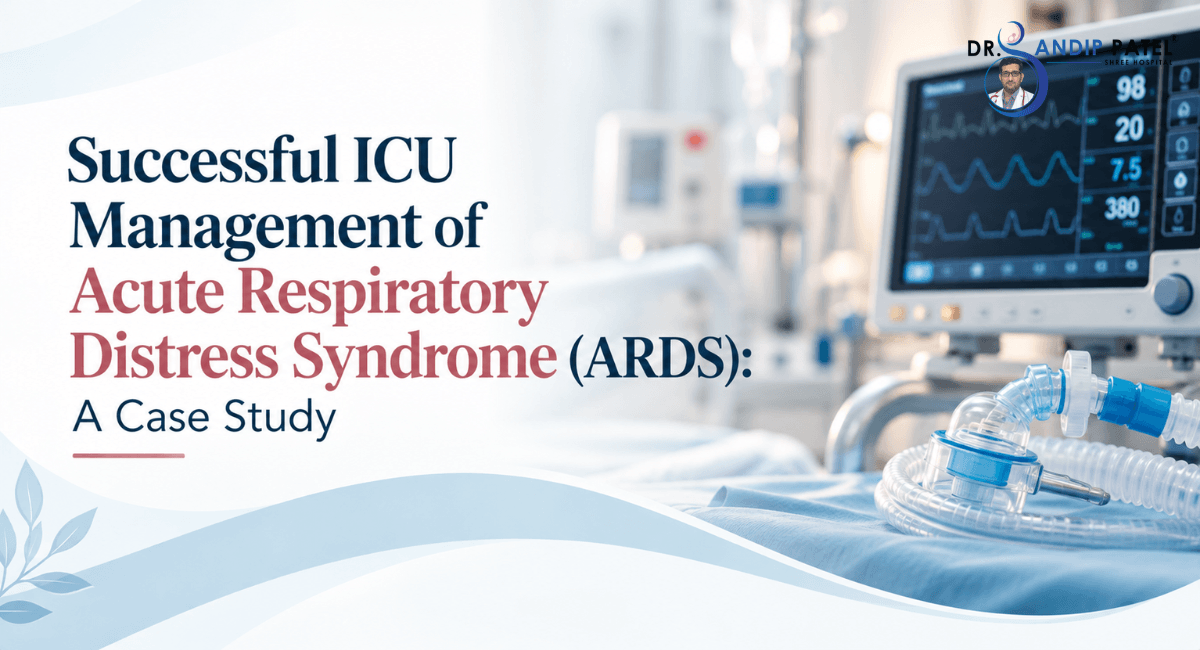
Acute Respiratory Distress Syndrome (ARDS) is a serious condition in which inflammation and fluid accumulation in the lungs impair oxygen transfer into the blood. Patients may experience severe breathlessness, low oxygen levels, and increased effort while breathing.
Accessory muscle use is an important sign of increased work of breathing and may indicate significant respiratory distress. Early recognition, appropriate respiratory support, and treatment of the underlying cause are essential for managing this condition.
The patient was assessed for the severity of breathing difficulty and overall clinical stability. The examination included:
The actual vital signs and examination findings should be added from the patient’s records.
Investigations were performed to assess oxygenation and identify the cause of respiratory failure.
The diagnosis of ARDS should be supported by the documented clinical findings, imaging, oxygenation impairment, and assessment for alternative explanations.
The patient or family should be informed about the seriousness of respiratory failure, the need for ICU monitoring, and the possible requirement for advanced respiratory support.
Counselling should explain the treatment plan, potential complications, and the importance of treating the underlying cause. The actual discussions should be confirmed from the medical records.
The patient received ICU care with close monitoring of respiratory function, oxygenation, and haemodynamic status.
Respiratory Support
Supplemental oxygen was provided according to the patient’s condition. Depending on the severity of respiratory failure, high-flow nasal oxygen, non-invasive ventilation, or invasive mechanical ventilation may be required. Persistent respiratory distress, worsening hypoxaemia, exhaustion, or altered consciousness requires urgent reassessment.
ARDS Management in ICU
When invasive ventilation is necessary, lung-protective ventilation is generally used to reduce further lung injury. This may include lower tidal volumes based on predicted body weight, appropriate airway pressure limits, and individualised oxygen and PEEP settings. Prone positioning may be considered for eligible patients with severe ARDS.
Treatment also focuses on the underlying cause, such as infection or sepsis where present, alongside appropriate fluids, nutrition, thromboprophylaxis, and prevention of ICU-related complications.
The patient’s response should be assessed using oxygen saturation, respiratory examination, ABG results when indicated, and haemodynamic monitoring.
The final case report should document:
All outcomes must be confirmed from the patient’s records.
ARDS causes inflammation and damage to the lung barrier, resulting in fluid accumulation, reduced lung compliance, and impaired gas exchange. Acute respiratory failure may develop as oxygen levels fall and breathing becomes increasingly difficult.
Accessory muscle use is a warning sign of increased respiratory effort, but it does not confirm ARDS on its own. Clinical assessment, imaging, oxygenation measurements, and other diagnostic criteria must be considered together.
Appropriate ARDS management in ICU includes treating the underlying cause, providing suitable respiratory support, and reducing further lung injury. Mechanical ventilation in ARDS, when required, should follow lung-protective principles, with additional interventions selected according to the patient’s severity and response.
This case highlights the importance of recognising respiratory distress and increased work of breathing in patients with suspected ARDS. Prompt ICU assessment, appropriate respiratory support, and treatment of the underlying cause are central to management.
If you have concerns about your pregnancy or experience unusual symptoms, consult a healthcare professional for timely assessment and appropriate care. Visit Shree Hospital, Anklav for information about its healthcare services.
The best laparoscopic surgeon in Anklav is one with proven experience, advanced surgical skills, and a patient-first approach. At Shree Hospital, Dr. Sandip Patel is known for his expertise in minimally invasive gynec surgery and consistent outcomes.
Laparoscopic surgery is commonly used to treat ovarian cysts, fibroids, endometriosis, ectopic pregnancy, and infertility-related conditions. It is also used for diagnosis in certain unclear cases.
Yes, laparoscopic surgery is considered very safe when performed by an experienced laparoscopy specialist. It involves smaller cuts, less pain, and a lower risk of complications compared to open surgery.
Recovery is usually faster than traditional surgery. Most patients can return to normal activities within a few days to a week, depending on the procedure and individual health.
Look for a qualified surgeon with experience in advanced laparoscopic procedures, positive patient outcomes, and access to a well-equipped hospital. Personal consultation also helps you feel confident and informed before treatment.
Let’s discuss your fertility goals and create a personalized treatment plan for you.