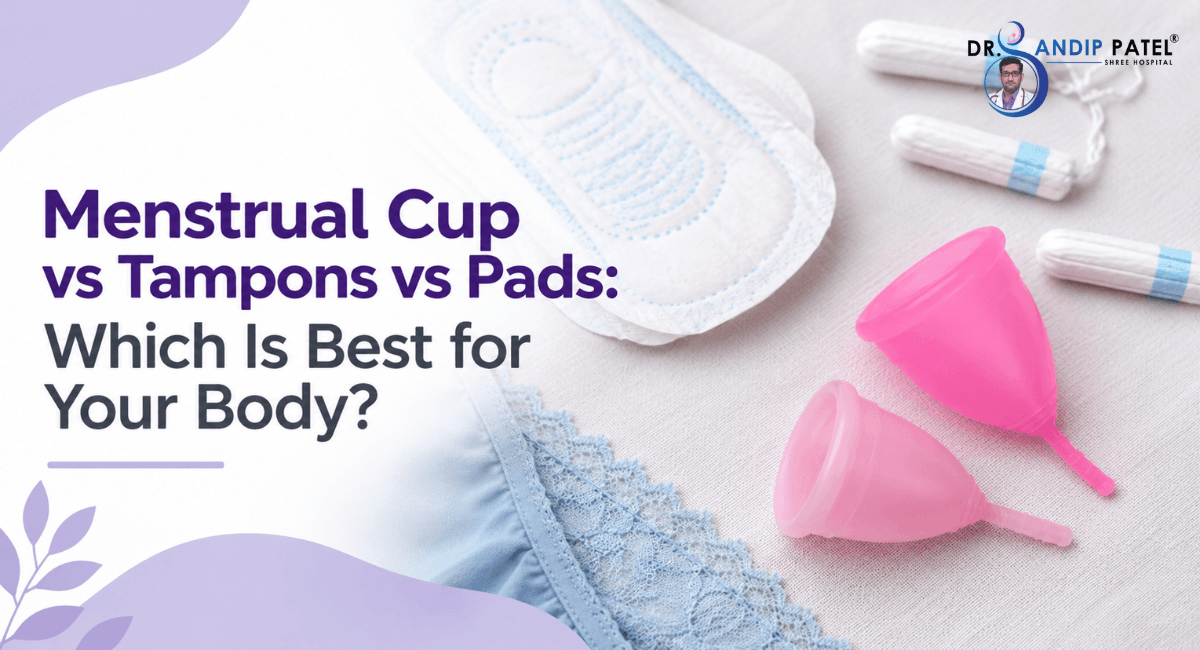
Choosing the right period product is important for comfort, hygiene, and confidence during menstruation. Some women prefer sanitary pads, while others choose tampons or menstrual cups. Each option has its own advantages and limitations.
When comparing menstrual cups vs Tampons vs Pads, it is important to understand how each product works and which one suits your body and daily routine. Factors such as menstrual flow, comfort, lifestyle, and personal preference can help you make the right choice.
Let’s look at the differences between these three period products.
All three products help manage menstrual blood, but they work differently.
Understanding these differences makes it easier to decide which period product is suitable for you.
Comfort varies from person to person. Pads are generally easier for beginners because they do not need to be inserted. However, some women experience sweating, irritation, or discomfort, particularly during hot weather.
Menstrual cups sit inside the vagina and collect blood. Once positioned correctly, most users do not feel them during normal activities. The menstrual cup benefits include reusability, less waste, and the ability to collect menstrual blood for several hours.
Tampons can also feel comfortable when inserted correctly. However, they may cause dryness or irritation in some women.
Your choice should depend on what feels comfortable for your body.
Good period hygiene is important regardless of which product you use.
Understanding how to use menstrual cup products correctly is important. Wash your hands, fold the cup, gently insert it, and check that it has opened properly. Remove it carefully by releasing the seal.
Yes. Wearing damp pads for long periods may cause friction, sweating, and irritation around the external genital area.
For period rash prevention, change pads regularly, choose breathable cotton underwear, and avoid heavily scented products.
Menstrual cups may reduce external skin contact with menstrual blood, but they still require proper cleaning. Tampons also need regular changing to maintain hygiene.
Choosing reusable period products can reduce monthly waste and long-term expenses. However, proper cleaning and storage are essential to prevent contamination.
There is no single product that works best for every woman. When comparing Menstrual Cup vs Tampons vs Pads, consider your daily activities, comfort, and ability to maintain hygiene.
The menstrual cup benefits may appeal to women looking for a more sustainable choice. However, beginners should take time to understand how to use menstrual cup products safely and comfortably.
Both tampon safety and proper cup cleaning are important. Similarly, regular changes and good period hygiene help reduce irritation and infection risks.
If you experience persistent itching, unusual discharge, a foul smell, pain, or irritation while using any period product, consult a gynaecologist.
Women who frequently experience skin irritation can follow simple period rash prevention measures, such as choosing unscented products and changing them regularly.
If you are considering reusable period products but are unsure which option is suitable, a healthcare professional can help address your concerns.
The comparison of Menstrual Cup vs Tampons vs Pads shows that each option has different benefits. Pads are easy to use, tampons offer convenience, and menstrual cups provide a reusable alternative.
Your comfort, hygiene, and personal preference should guide your decision. There is no need to choose a product simply because others prefer it.
At Shree Hospital Anklav, we understand the importance of women’s health and menstrual hygiene. If you have questions about period products, menstrual discomfort, or intimate health, contact Shree Hospital Anklav for appropriate medical guidance. You can also visit Shree Hospital for information about our healthcare services.
The best laparoscopic surgeon in Anklav is one with proven experience, advanced surgical skills, and a patient-first approach. At Shree Hospital, Dr. Sandip Patel is known for his expertise in minimally invasive gynec surgery and consistent outcomes.
Laparoscopic surgery is commonly used to treat ovarian cysts, fibroids, endometriosis, ectopic pregnancy, and infertility-related conditions. It is also used for diagnosis in certain unclear cases.
Yes, laparoscopic surgery is considered very safe when performed by an experienced laparoscopy specialist. It involves smaller cuts, less pain, and a lower risk of complications compared to open surgery.
Recovery is usually faster than traditional surgery. Most patients can return to normal activities within a few days to a week, depending on the procedure and individual health.
Look for a qualified surgeon with experience in advanced laparoscopic procedures, positive patient outcomes, and access to a well-equipped hospital. Personal consultation also helps you feel confident and informed before treatment.
Let’s discuss your fertility goals and create a personalized treatment plan for you.