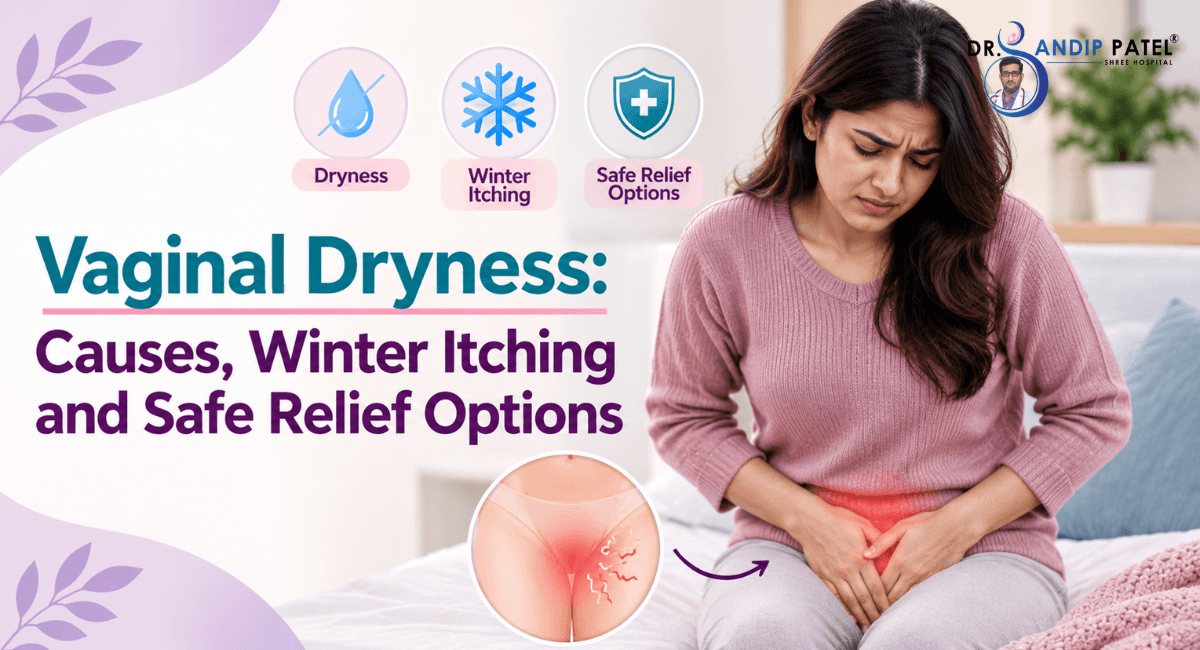
Vaginal dryness is a common concern, but many women feel uncomfortable discussing it. It can cause itching, irritation, burning, or discomfort during daily activities and sexual intercourse. Although it is more common around menopause, younger women can also experience it due to hormonal changes, certain medicines, or other factors.
Some women notice more intimate discomfort during winter. Cold weather, dry air, and changes in personal care habits may make the external intimate area feel irritated. Understanding the possible reasons can help you choose the right care and avoid products that may make the problem worse.
The vagina naturally produces moisture that keeps its tissues comfortable and healthy. When moisture levels decrease, the tissues may become dry, sensitive, or irritated.
Some common vaginal dryness causes include:
Menopause vaginal dryness is particularly common because oestrogen levels decrease during this stage. The vaginal lining may become thinner and less elastic, making dryness and irritation more noticeable.
Vaginal itching in winter may be related to dry skin, tight clothing, sweating under multiple layers, or irritation from fragranced products. These factors can affect the external intimate area, called the vulva.
However, winter is not the only possible reason for itching. A yeast infection, skin irritation, or another vaginal infection may also cause similar symptoms. If itching continues or comes with unusual discharge, an unpleasant smell, or burning, it should not be ignored.
The right treatment depends on what is causing the symptoms. A few simple steps may help reduce discomfort.
A vaginal moisturizer is designed to provide lasting moisture and can be used regularly according to its instructions. Choose a product made specifically for vaginal use. Do not apply ordinary body lotions or perfumed creams inside the vagina.
If dryness causes discomfort during sex, a water-based lubricant may reduce friction. This can help with some painful intercourse caused by dryness. If pain continues despite using lubrication, consult a gynaecologist rather than continuing through discomfort.
Wash the external intimate area gently with water and avoid scented soaps, sprays, and vaginal washes. The vagina cleans itself naturally, so internal washing is not needed. Wearing comfortable cotton underwear may also help reduce irritation.
For women experiencing menopause vaginal dryness, a doctor may recommend local oestrogen treatment if non-hormonal options are not enough. This treatment is not suitable for everyone, so medical advice is important.
Occasional dryness may improve with suitable care, but persistent symptoms need attention. Consult a gynaecologist if you experience ongoing itching, burning, pain during sex, unusual discharge, or bleeding after intercourse.
Remember, vaginal dryness is not something you need to feel embarrassed about. Identifying the cause can help you receive suitable treatment and feel more comfortable.
At Shree Hospital, Anklav, women can seek guidance for concerns related to gynecology and women’s health. If you are experiencing persistent dryness, itching, or discomfort, contact Shree Hospital to discuss your concerns with a healthcare professional.
The best laparoscopic surgeon in Anklav is one with proven experience, advanced surgical skills, and a patient-first approach. At Shree Hospital, Dr. Sandip Patel is known for his expertise in minimally invasive gynec surgery and consistent outcomes.
Laparoscopic surgery is commonly used to treat ovarian cysts, fibroids, endometriosis, ectopic pregnancy, and infertility-related conditions. It is also used for diagnosis in certain unclear cases.
Yes, laparoscopic surgery is considered very safe when performed by an experienced laparoscopy specialist. It involves smaller cuts, less pain, and a lower risk of complications compared to open surgery.
Recovery is usually faster than traditional surgery. Most patients can return to normal activities within a few days to a week, depending on the procedure and individual health.
Look for a qualified surgeon with experience in advanced laparoscopic procedures, positive patient outcomes, and access to a well-equipped hospital. Personal consultation also helps you feel confident and informed before treatment.
Let’s discuss your fertility goals and create a personalized treatment plan for you.