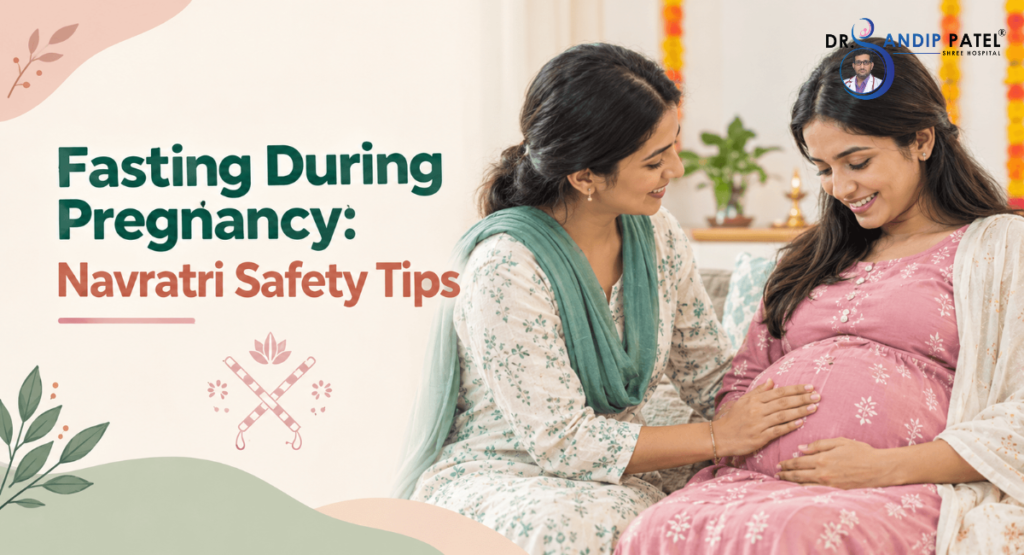
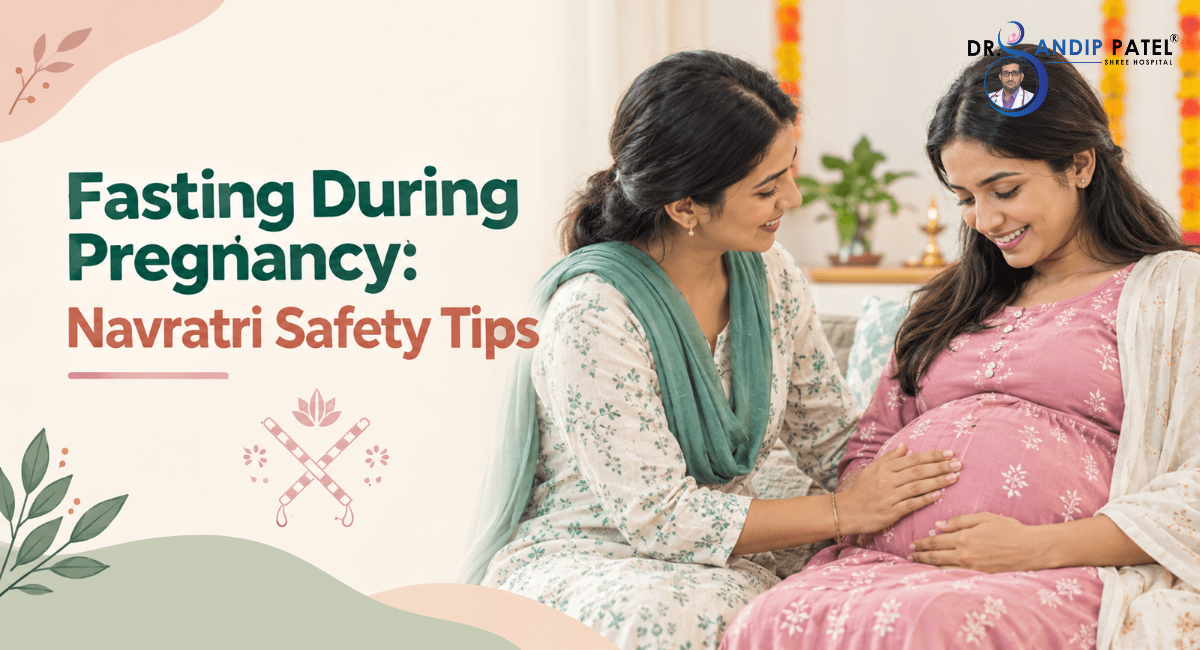
Navratri is an important festival in India, celebrated with prayers, traditional food, and fasting. Many women observe fasts during these nine days. However, pregnancy is a time when the body needs extra nutrients, energy, and fluids to support the baby’s growth. This is why fasting during pregnancy requires special care.
Pregnant women may wonder whether they can continue their Navratri fasts safely. The answer depends on their health, stage of pregnancy, and usual eating habits. Understanding what is safe and what should be avoided can help women celebrate Navratri while taking care of themselves and their babies.
Navratri fasting in pregnancy should always be planned according to the mother’s health, nutritional needs, and stage of pregnancy. Speak with your gynaecologist before making any changes to your regular eating routine.
Pregnancy increases the body’s need for essential nutrients, including protein, iron, calcium, and folic acid. Skipping meals or avoiding food for long periods may make it difficult to meet these needs.
Strict fasting can also cause dehydration, weakness, dizziness, and low blood sugar. These risks may be greater for women who have anaemia, diabetes, low blood pressure, or a high-risk pregnancy.
Therefore, fasting during pregnancy should not be started without consulting a gynaecologist. Your doctor can assess your health and suggest a suitable approach. In many cases, eating regular, balanced meals instead of following a strict fast is a safer option.
Women who wish to follow their religious traditions can consider safer alternatives after discussing them with their doctor. These pregnancy fasting precautions can help protect maternal health.
Remember that fasting during pregnancy is not suitable for everyone. Do not ignore symptoms such as dizziness, unusual weakness, or faintness to continue a fast.
Choosing nutritious foods is important when planning a pregnancy diet during Navratri. Instead of eating only fried snacks or foods rich in sugar, try to include a variety of healthy options.
Some suitable food choices may include:
If you are wondering what to eat during Navratri fasting, choose a variety of nutritious foods, including fresh fruits, dairy products, nuts, and suitable protein sources. Avoid relying on only one or two types of food, and ask your doctor about any specific dietary needs or supplements.
During Navratri, certain eating habits may increase the risk of nutritional problems or foodborne illness. Pay attention to the following:
Knowing which foods to avoid during pregnancy can help you make safer choices throughout the festival.
If you experience persistent dizziness, severe weakness, repeated vomiting, fainting, or difficulty keeping fluids down, seek medical advice promptly. Contact your doctor immediately if you have vaginal bleeding, severe abdominal pain, or reduced baby movements when you are at a stage of pregnancy where you normally feel them.
Women with diabetes, anaemia, high blood pressure, or other pregnancy-related complications should discuss their fasting plans with their gynaecologist beforehand.
Navratri is a time for faith and celebration, but your health and your baby’s development should remain a priority. Fasting during pregnancy needs careful consideration, and strict fasting may not be appropriate for every expectant mother.
Choose regular, nutritious meals, drink enough water, and follow your doctor’s advice before making changes to your diet. You can honour your traditions in ways that support your wellbeing without putting unnecessary strain on your body.
If you have questions about your pregnancy diet or need guidance on safe practices, contact Shree Hospital, Anklav, for medical advice and support.
The best laparoscopic surgeon in Anklav is one with proven experience, advanced surgical skills, and a patient-first approach. At Shree Hospital, Dr. Sandip Patel is known for his expertise in minimally invasive gynec surgery and consistent outcomes.
Laparoscopic surgery is commonly used to treat ovarian cysts, fibroids, endometriosis, ectopic pregnancy, and infertility-related conditions. It is also used for diagnosis in certain unclear cases.
Yes, laparoscopic surgery is considered very safe when performed by an experienced laparoscopy specialist. It involves smaller cuts, less pain, and a lower risk of complications compared to open surgery.
Recovery is usually faster than traditional surgery. Most patients can return to normal activities within a few days to a week, depending on the procedure and individual health.
Look for a qualified surgeon with experience in advanced laparoscopic procedures, positive patient outcomes, and access to a well-equipped hospital. Personal consultation also helps you feel confident and informed before treatment.
Let’s discuss your fertility goals and create a personalized treatment plan for you.