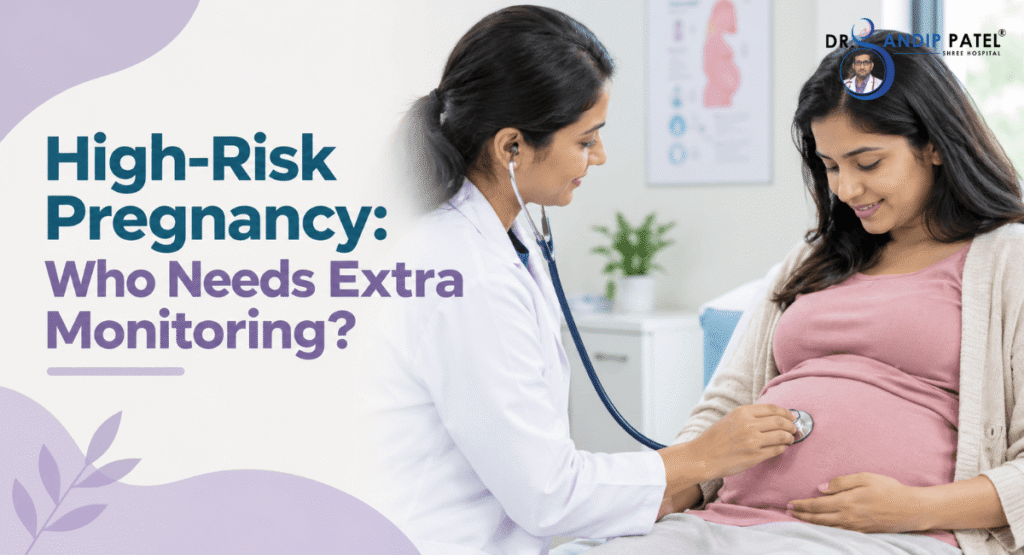
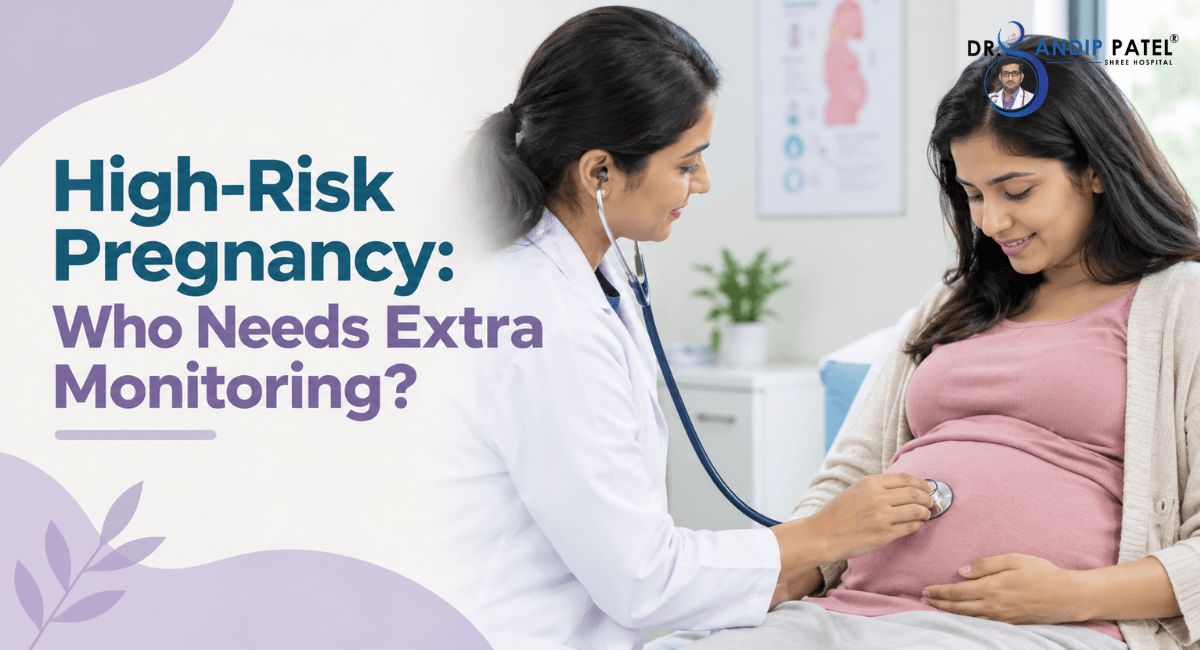
Pregnancy is a special time, but it can also bring health concerns for some women. While many pregnancies progress without major problems, some women need extra medical attention to protect their health and support their baby’s development. This is known as a high-risk pregnancy.
Being told that your pregnancy is high-risk can feel worrying, but it does not automatically mean that something will go wrong. It simply means that you or your baby may need closer medical supervision during pregnancy. With regular check-ups, timely tests, and the right medical care, many women with high-risk pregnancies deliver healthy babies.
Let us understand who may need extra monitoring and why it is important.
A high-risk pregnancy is one in which the mother, the baby, or both have a higher chance of developing health problems during pregnancy, labour, or delivery.
Some risks are present before pregnancy, while others develop as the pregnancy progresses. For example, a woman with high blood pressure may need extra care from the beginning. Another woman may develop gestational diabetes, a type of diabetes that starts during pregnancy, and require additional monitoring later.
The purpose of high-risk pregnancy care is to identify possible problems early, manage existing health conditions, and check that the baby is growing as expected. Your doctor will recommend a care plan based on your individual health and pregnancy needs.
Certain health conditions and pregnancy-related situations can increase the need for medical supervision. Common pregnancy risk factors include the following.
Women who have high blood pressure, diabetes, thyroid problems, kidney disease, or certain heart conditions may need closer monitoring. These conditions can affect pregnancy if they are not managed properly.
Women who become pregnant at the age of 35 or older may have a higher chance of certain complications, such as gestational diabetes, high blood pressure, and some chromosome-related conditions. However, age alone does not mean that a pregnancy will be complicated.
Women who have experienced a miscarriage, premature delivery, pre-eclampsia, or other serious pregnancy complications may need additional attention in a future pregnancy.
A previous caesarean delivery may also affect pregnancy and delivery planning.
Women carrying twins or more than one baby generally need closer supervision than women carrying a single baby. Multiple pregnancies have a higher chance of complications, including premature birth and problems with the babies’ growth.
Some women have no major health concerns before becoming pregnant but develop complications later. These may include gestational diabetes, high blood pressure, problems with the placenta, or concerns about the baby’s growth.
In such cases, additional tests and appointments may be recommended to manage the condition safely.
High-risk pregnancy monitoring helps doctors keep track of the mother’s health and the baby’s development throughout pregnancy. It also allows them to respond quickly if a problem develops.
Depending on your needs, monitoring may include:
Not every woman needs all these tests. Your doctor will decide how often you need appointments and which investigations are suitable for your pregnancy.
The possible high-risk pregnancy complications depend on the mother’s health, the stage of pregnancy, and the specific risk factors involved.
Some complications may include high blood pressure during pregnancy, gestational diabetes, premature birth, slow baby growth, or problems with the placenta. In certain cases, the mother may need a caesarean delivery or additional medical support during labour.
However, these complications do not occur in every high-risk pregnancy. Early diagnosis, regular monitoring, and following your doctor’s advice can help manage many risks and support better outcomes for the mother and baby.
Even if you are attending regular appointments, contact your doctor promptly if you notice unusual symptoms.
Seek urgent medical attention if you experience:
Do not wait for your next appointment if you experience these warning signs. Some symptoms may need immediate assessment.
Along with medical supervision, everyday care can support your health during pregnancy.
Attend all scheduled appointments and take prescribed medicines as advised. Eat a balanced diet, drink enough water, and get adequate rest. Follow your doctor’s guidance about exercise, work, travel, and daily activities, as recommendations may differ depending on your condition.
Avoid smoking, alcohol, and taking medicines or supplements without medical advice. If you have questions or feel worried, discuss them with your doctor rather than relying on advice from others.
Most importantly, do not blame yourself for having a high-risk pregnancy. Many risk factors are beyond your control, and getting the right care is a positive step towards protecting your health and your baby.
A high-risk pregnancy may require extra attention, but regular medical supervision can help identify potential complications and support the health of both mother and baby. Understanding your pregnancy risks and following your doctor’s advice can help you feel more confident at every stage.
At Shree Hospital, Anklav, expectant mothers can receive medical guidance based on their health conditions and pregnancy needs. Regular check-ups and appropriate tests help doctors monitor the mother’s well-being and the baby’s growth, while identifying concerns that may require additional care.
If you have a high-risk pregnancy or have concerns about your pregnancy, contact Shree Hospital, Anklav to schedule a consultation and discuss the care and monitoring you may need throughout your pregnancy.
The best laparoscopic surgeon in Anklav is one with proven experience, advanced surgical skills, and a patient-first approach. At Shree Hospital, Dr. Sandip Patel is known for his expertise in minimally invasive gynec surgery and consistent outcomes.
Laparoscopic surgery is commonly used to treat ovarian cysts, fibroids, endometriosis, ectopic pregnancy, and infertility-related conditions. It is also used for diagnosis in certain unclear cases.
Yes, laparoscopic surgery is considered very safe when performed by an experienced laparoscopy specialist. It involves smaller cuts, less pain, and a lower risk of complications compared to open surgery.
Recovery is usually faster than traditional surgery. Most patients can return to normal activities within a few days to a week, depending on the procedure and individual health.
Look for a qualified surgeon with experience in advanced laparoscopic procedures, positive patient outcomes, and access to a well-equipped hospital. Personal consultation also helps you feel confident and informed before treatment.
Let’s discuss your fertility goals and create a personalized treatment plan for you.