Uterine polyps are small growths that develop inside the lining of the uterus. These growths are usually non-cancerous, but they can cause uncomfortable symptoms and sometimes affect health. Many women do not realize they have polyps until they experience irregular bleeding or difficulty getting pregnant.
If a doctor finds polyps in the uterus, removal is often recommended. Uterine polyp removal surgery in Anklav is a common and safe procedure that helps women relieve symptoms and improve reproductive health.
Uterine polyps are growths that form in the inner lining of the uterus. They develop when the endometrial tissue grows more than normal. These polyps may be small, like a seed, or larger in size.
Some women may have a single polyp, while others may develop multiple polyps in the uterus. Although most uterine polyps are harmless, they can cause health issues if left untreated.
Doctors often recommend removal when the polyps cause symptoms.
Many women do not notice symptoms at first. However, when symptoms appear, they can affect daily life and menstrual health.
Common uterine polyp symptoms and treatment concerns include
Doctors diagnose uterine polyps through ultrasound or hysteroscopy. Once confirmed, treatment usually involves removing the polyps through a minimally invasive procedure.
In many cases, uterine polyp removal surgery in Anklav is suggested to prevent complications and improve uterine health.
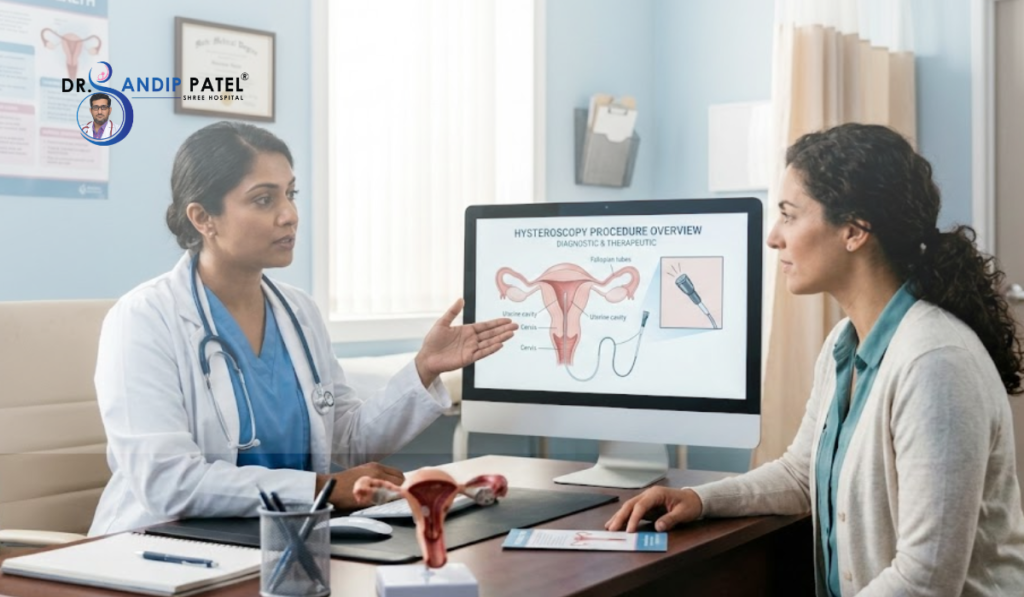
Uterine polyp removal surgery is a medical procedure that removes polyps from the uterus. The most common method used is hysteroscopic polypectomy. In this procedure, a thin camera called a hysteroscope is inserted through the cervix to view the uterus.
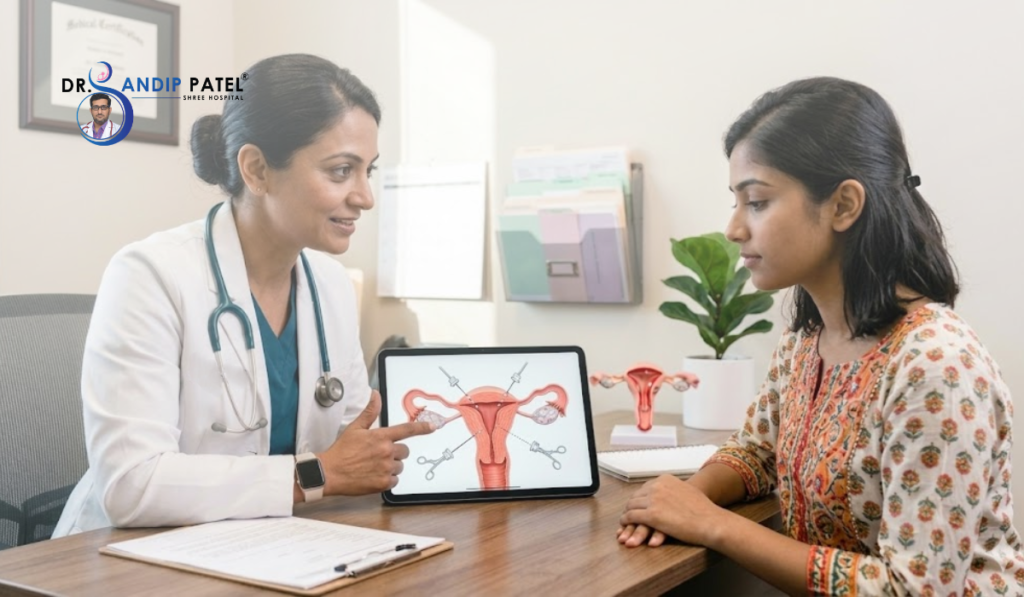
Special instruments are then used to remove the polyps safely without large incisions.
The procedure is usually completed within a short time, and most patients return home on the same day. Doctors who specialize in women’s reproductive health perform this treatment.
Women searching for uterine polyp removal surgery in Anklav should consult an experienced gynecologist to ensure an accurate diagnosis and safe treatment.
One of the most common concerns among patients is whether uterine polyp removal is painful.
In most cases, the procedure is not very painful. Doctors use local or general anesthesia to keep the patient comfortable during the surgery. Some women may feel mild cramping after the procedure, which usually improves within a few days.
Pain-relief medicines and rest are generally enough to manage this temporary discomfort.
Recovery after this procedure is usually quick because it is minimally invasive.
Typical recovery after uterine polyp surgery may include the following:
Doctors may advise avoiding heavy exercise or intercourse for a short period. Follow-up visits help ensure proper healing and confirm that the polyps have been completely removed.
When performed by an experienced specialist, uterine polyp removal surgery in Anklav allows women to recover comfortably and return to their routine quickly.
Many patients also want to know about the uterine polyp removal surgery cost before treatment. The cost may vary depending on several factors, such as
A consultation with the best doctor for uterine polyp removal helps patients understand the exact treatment plan and estimated cost.
It is important to seek medical advice if you experience unusual bleeding, irregular periods, or gynecological concerns. Early diagnosis helps prevent complications and ensures effective treatment.
Consulting the best doctor for uterine polyp removal ensures accurate evaluation and safe management of uterine polyps. Experienced specialists use modern diagnostic methods and minimally invasive surgery for better outcomes.
Women looking for reliable treatment options often search for uterine polyp removal surgery in Anklav that combines medical expertise with patient-focused care.
A well-equipped laparoscopy center plays an important role in managing uterine conditions and supporting reproductive health. Many patients trust facilities recognized as the Best Gynecology Center in Anklav and the Best Gynecology Hospital in Anklav for advanced gynecology treatments.
Early diagnosis and proper treatment help women maintain reproductive health and improve their quality of life. If you notice symptoms of uterine polyps, consulting a qualified gynecologist can help you receive the right care at the right time.
Uterine polyp removal surgery is a procedure that removes abnormal growths from the lining of the uterus. Doctors usually perform this treatment using hysteroscopy, which allows them to remove the polyps safely without major incisions.
Doctors recommend uterine polyp removal when polyps cause irregular bleeding, heavy periods, gynecological problems, or bleeding after menopause. Removing the polyp helps reduce symptoms and supports better reproductive health.
Most women experience very little pain during uterine polyp removal surgery because anesthesia is used. Some mild cramps or spotting may occur for a few days after the procedure, but this usually improves quickly.
Recovery after uterine polyp surgery is generally quick. Many women return to normal activities within two to three days. Mild spotting and light cramping may occur for a short time after the procedure.
The uterine polyp removal surgery cost in Anklav depends on factors such as hospital facilities, diagnostic tests, and the experience of the doctor. A consultation with a specialist helps determine the exact cost and treatment plan.
Let’s discuss your fertility goals and create a personalized treatment plan for you.