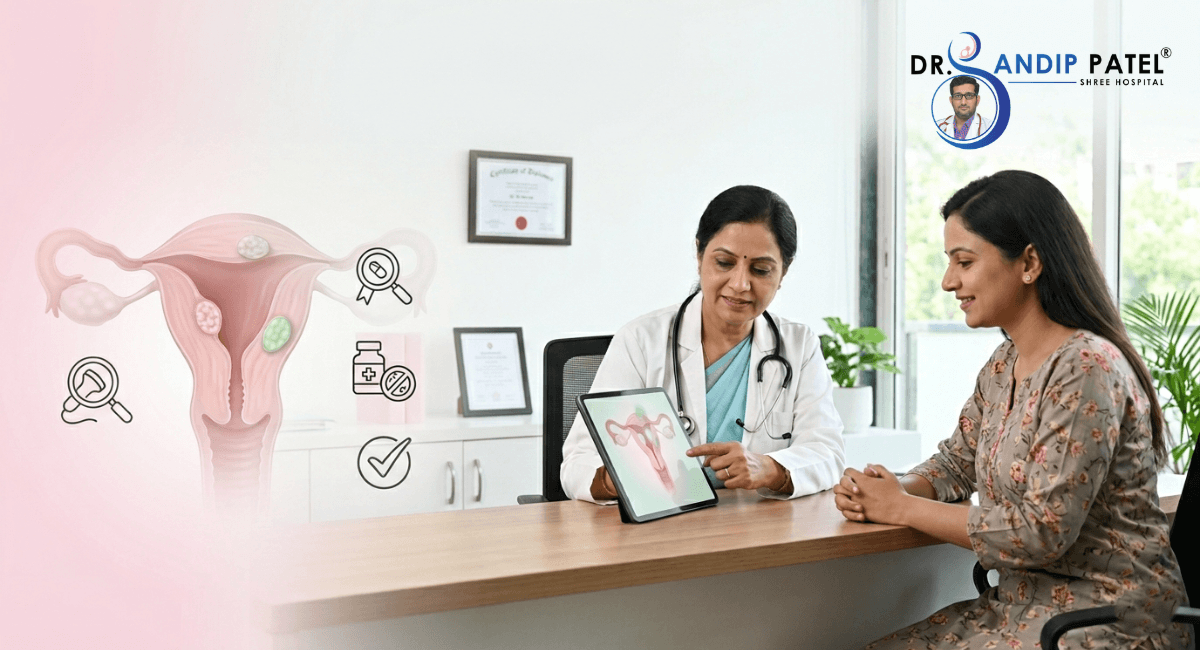
Uterine fibroids are non-cancerous growths that develop within or around the uterus. They are common among women of reproductive age and can vary in size, number, and location. While some women experience no symptoms, others may face significant discomfort that affects their daily lives. Understanding the symptoms, diagnosis, and available treatment options can help women seek timely medical care and improve their quality of life.
Fibroids are made up of muscle and fibrous tissue that grow in the uterine wall. Although the exact cause is not fully understood, hormonal factors and genetics are believed to play a role in their development.
Women who undergo evaluations for conditions requiring Ovarian cyst treatment in Anklav may also be assessed for fibroids, as both conditions can contribute to pelvic discomfort and reproductive health concerns.
The symptoms of fibroids often depend on their size and location. Common signs include:
These symptoms can sometimes resemble those caused by uterine polyps, which may require Uterine polyp removal surgery in Anklav for effective treatment.
Early diagnosis is essential for determining the most appropriate treatment approach. Healthcare providers may use:
Women seeking Ovarian cyst treatment in Anklav often undergo similar diagnostic procedures to evaluate their overall reproductive health and identify any additional gynecological conditions.
Not all fibroids require surgery. Depending on the severity of symptoms, doctors may recommend non-surgical treatments such as:
Hormonal therapies can help regulate menstrual bleeding and reduce fibroid-related symptoms.
Maintaining a healthy weight, managing stress, and following a balanced diet may help support overall reproductive health.
In certain cases, minimally invasive techniques can reduce fibroid symptoms without major surgery. Women diagnosed with uterine polyps may instead benefit from Uterine polyp removal surgery in Anklav, which specifically targets abnormal tissue growth within the uterus.
It is important to receive an accurate diagnosis because treatment options differ significantly between fibroids and polyps. Some women requiring Ovarian cyst treatment in Anklav may also have coexisting gynecological conditions that need specialized care. Likewise, Uterine polyp removal surgery in Anklav remains an effective solution for women experiencing symptoms caused by uterine polyps.
Persistent heavy bleeding, pelvic pain, or fertility concerns should not be ignored. Early medical evaluation allows healthcare providers to determine whether symptoms are related to fibroids, ovarian cysts, or conditions requiring Uterine polyp removal surgery in Anklav.
Uterine fibroids are a common but manageable gynecological condition. Understanding their symptoms and available treatment options empowers women to make informed healthcare decisions. At Shree Anklav Hospital, patients receive comprehensive evaluations, advanced diagnostic services, and personalized treatment plans for a wide range of reproductive health concerns. Whether you require Ovarian cyst treatment in Anklav or specialized care such as Uterine polyp removal surgery in Anklav, the experienced team is committed to supporting your long-term health and well-being.
The best laparoscopic surgeon in Anklav is one with proven experience, advanced surgical skills, and a patient-first approach. At Shree Hospital, Dr. Sandip Patel is known for his expertise in minimally invasive gynec surgery and consistent outcomes.
Laparoscopic surgery is commonly used to treat ovarian cysts, fibroids, endometriosis, ectopic pregnancy, and infertility-related conditions. It is also used for diagnosis in certain unclear cases.
Yes, laparoscopic surgery is considered very safe when performed by an experienced laparoscopy specialist. It involves smaller cuts, less pain, and a lower risk of complications compared to open surgery.
Recovery is usually faster than traditional surgery. Most patients can return to normal activities within a few days to a week, depending on the procedure and individual health.
Look for a qualified surgeon with experience in advanced laparoscopic procedures, positive patient outcomes, and access to a well-equipped hospital. Personal consultation also helps you feel confident and informed before treatment.
Let’s discuss your fertility goals and create a personalized treatment plan for you.