
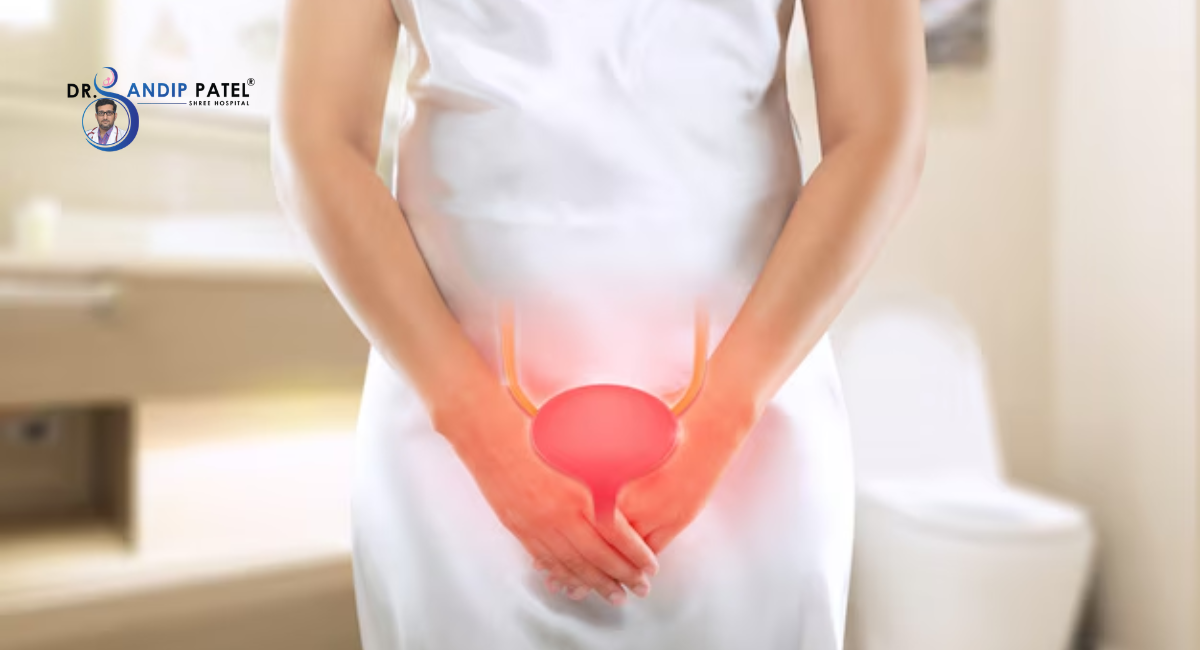
Urinary tract infections, commonly known as UTIs, are among the most frequent infections affecting women. Studies show that 50% to 60% of women experience at least one UTI in their lifetime, making it a widespread health concern.
Here’s the reality. While UTIs are common, they can become painful and disruptive if ignored, especially during the summer months when the risk naturally increases.
A UTI occurs when bacteria enter the urinary system, affecting the bladder, urethra, or even the kidneys. Women are more prone to UTIs due to their shorter urethra, which allows bacteria to reach the bladder more easily.
Globally, UTIs affect around 150 million people every year, highlighting how common and significant this condition is.
Most infections are caused by bacteria like E. coli, which can multiply quickly if not flushed out properly.
There is a clear seasonal pattern when it comes to UTIs.
Research shows that UTI cases can increase by 20% to 30% during warmer temperatures, especially when average temperatures rise above 25°C.
The main reason comes down to dehydration and fluid loss.
During summer, the body loses more water through sweat. When water intake is low, urine output decreases. This means bacteria are not flushed out effectively, allowing them to grow inside the urinary tract.
What this really means is simple. Less water and more heat create the perfect conditions for bacteria to multiply.
UTIs often start with mild discomfort but can quickly become more serious if untreated.
Common symptoms include:
Some women may also feel pelvic discomfort or lower abdominal pain.
If symptoms persist, it is important not to delay medical consultation, as untreated infections can spread to the kidneys.
UTIs are not just occasional infections. They can become recurrent and affect daily life.
Studies indicate that a significant number of women experience repeated infections, especially if underlying triggers are not addressed.
Frequent UTIs can lead to discomfort, anxiety, and disruption in routine activities, including work and sleep.
This is why early prevention and timely treatment matter more than most people realize.
Preventing UTIs is often about simple daily habits rather than complex treatments.
Drink plenty of water throughout the day to help flush bacteria from the urinary tract
Avoid delaying urination for long periods, as this allows bacteria to multiply
Make it a habit to urinate after swimming or sexual activity to reduce bacterial risk
Keep the area clean and dry, especially during hot and humid weather
These small steps can significantly reduce the chances of infection.
If you experience repeated UTIs, severe burning, fever, or no improvement within a few days, medical evaluation is necessary.
Proper diagnosis is important because not all urinary symptoms are caused by infections. Lab testing helps confirm the exact cause and ensures the right treatment.
For accurate diagnosis and personalized care, consulting experts at Shree Hospital can help you get targeted treatment while maintaining complete privacy and comfort.
UTIs are common, especially in summer, but they are preventable with the right awareness and habits.
Understanding how dehydration, heat, and daily routines affect your body gives you control over your health.
If symptoms appear or keep returning, timely medical care from a trusted healthcare provider like Shree Hospital ensures you receive the right diagnosis and treatment without unnecessary delays.
The best laparoscopic surgeon in Anklav is one with proven experience, advanced surgical skills, and a patient-first approach. At Shree Hospital, Dr. Sandip Patel is known for his expertise in minimally invasive gynec surgery and consistent outcomes.
Laparoscopic surgery is commonly used to treat ovarian cysts, fibroids, endometriosis, ectopic pregnancy, and infertility-related conditions. It is also used for diagnosis in certain unclear cases.
Yes, laparoscopic surgery is considered very safe when performed by an experienced laparoscopy specialist. It involves smaller cuts, less pain, and a lower risk of complications compared to open surgery.
Recovery is usually faster than traditional surgery. Most patients can return to normal activities within a few days to a week, depending on the procedure and individual health.
Look for a qualified surgeon with experience in advanced laparoscopic procedures, positive patient outcomes, and access to a well-equipped hospital. Personal consultation also helps you feel confident and informed before treatment.
Let’s discuss your fertility goals and create a personalized treatment plan for you.