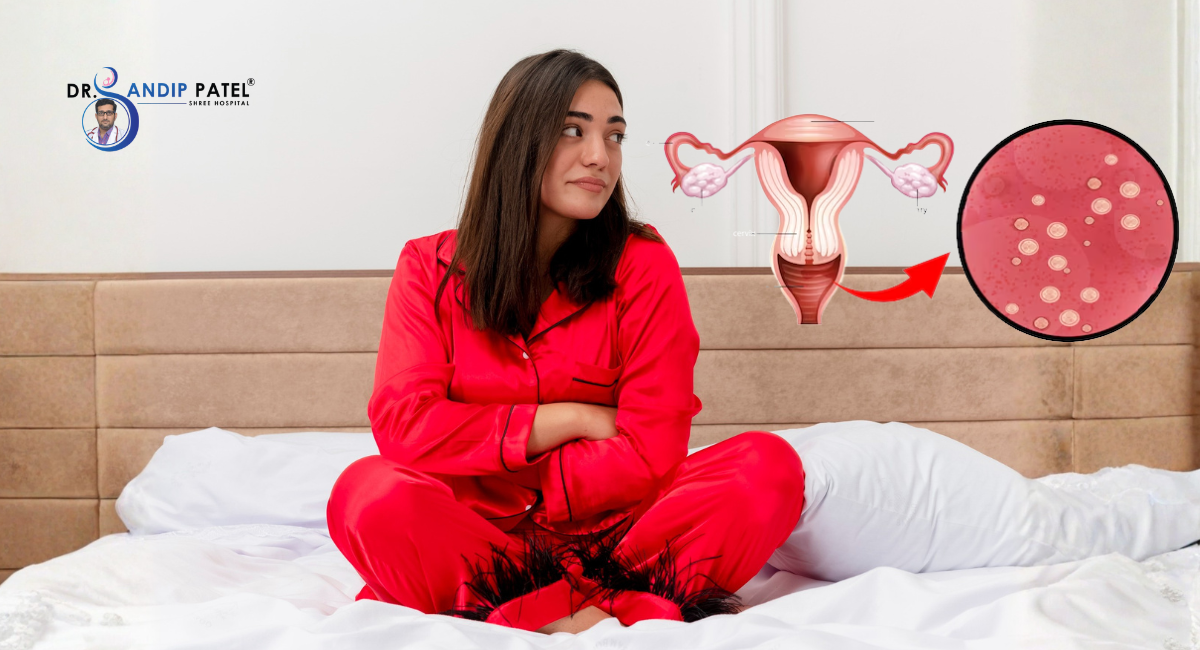
Vaginal yeast infections, medically known as candidiasis, are more common than most women realize. In fact, nearly 75% of women experience at least one yeast infection in their lifetime.
Here’s the thing. While this condition can feel uncomfortable and even distressing, it is usually treatable and preventable once you understand what is really going on.
A vaginal yeast infection happens when there is an overgrowth of a fungus called Candida, most commonly Candida albicans.
Your body naturally contains this yeast in small amounts. But when the balance of bacteria and yeast in the vagina is disturbed, it can multiply quickly, leading to infection.
This is why candidiasis is often described as a balance problem, not just an infection.
Summer creates the perfect environment for yeast to thrive.
Warm temperatures, increased sweating, and tight or non-breathable clothing trap moisture around the vaginal area. Yeast grows rapidly in warm, dark, and moist conditions, which explains the seasonal spike.
Simple habits like staying in wet swimwear or sweaty gym clothes for too long can increase the risk significantly.
What this really means is your daily routine in summer can unknowingly create the ideal environment for infection.
Symptoms of vaginal yeast infections can vary, but most women experience:
In some cases, there may also be redness, swelling, or discomfort during daily activities.
If symptoms feel persistent or severe, it is important not to self-diagnose blindly, as similar symptoms can occur in other infections.
Vaginal candidiasis is one of the most common vaginal infections worldwide, second only to bacterial infections.
This is not a rare condition. It is something millions of women deal with regularly.
Preventing yeast infections is not about over-cleaning. In fact, doing too much can make things worse.
Here is what helps
Wear loose, cotton underwear that allows airflow and reduces moisture buildup
Change out of wet clothes quickly, whether it is after swimming or a workout
Clean the external area gently. Avoid harsh soaps, scented products, or excessive washing that can disrupt natural vaginal pH
Avoid tight jeans or synthetic fabrics for long hours, especially in hot weather
Occasional yeast infections are common. But if they keep coming back or do not improve with basic care, it is time to consult a specialist.
Recurrent infections could be linked to underlying issues like hormonal imbalance, diabetes, or resistance to standard treatments.
For accurate diagnosis and personalized treatment, consulting experienced professionals at Shree Hospital, Anklav, can make a real difference. The team focuses on patient comfort, privacy, and targeted care based on your specific condition.
The best laparoscopic surgeon in Anklav is one with proven experience, advanced surgical skills, and a patient-first approach. At Shree Hospital, Dr. Sandip Patel is known for his expertise in minimally invasive gynec surgery and consistent outcomes.
Laparoscopic surgery is commonly used to treat ovarian cysts, fibroids, endometriosis, ectopic pregnancy, and infertility-related conditions. It is also used for diagnosis in certain unclear cases.
Yes, laparoscopic surgery is considered very safe when performed by an experienced laparoscopy specialist. It involves smaller cuts, less pain, and a lower risk of complications compared to open surgery.
Recovery is usually faster than traditional surgery. Most patients can return to normal activities within a few days to a week, depending on the procedure and individual health.
Look for a qualified surgeon with experience in advanced laparoscopic procedures, positive patient outcomes, and access to a well-equipped hospital. Personal consultation also helps you feel confident and informed before treatment.
Let’s discuss your fertility goals and create a personalized treatment plan for you.