A sudden sharp pain in the lower abdomen, irregular periods, bloating that does not go away, or discomfort during daily activities are often symptoms that many women ignore at first. In many cases, these signs may point toward ovarian cysts, a common yet often misunderstood gynecological condition affecting women of different age groups. While some ovarian cysts disappear naturally without causing serious problems, others can grow larger and lead to complications if left untreated.
Understanding the symptoms, causes, and available treatment methods is important for protecting reproductive health and preventing long-term complications. If you are searching for reliable and advanced Ovarian Cyst Treatment in Anklav, timely medical consultation can make a significant difference in your recovery and overall well-being.
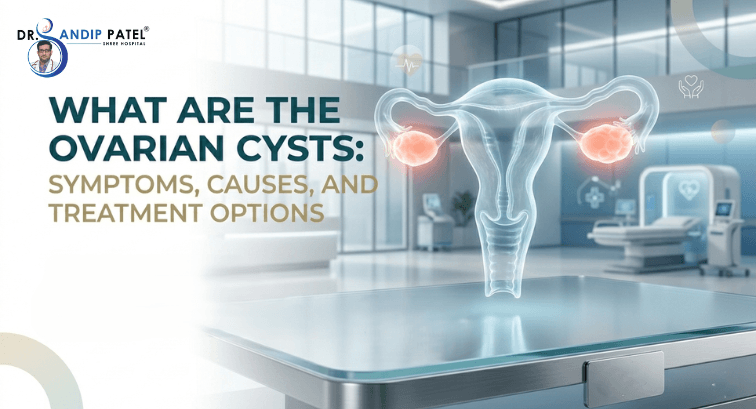
Ovarian cysts are fluid-filled sacs that develop inside or on the surface of the ovaries. The ovaries are an important part of the female reproductive system and are responsible for producing eggs and hormones like estrogen and progesterone.
Most ovarian cysts are harmless and may disappear on their own within a few months. However, some cysts can become large, painful, or complicated, requiring medical attention and specialized treatment.
Many women may not notice symptoms during the early stages. In some cases, ovarian cysts are discovered accidentally during a routine pelvic examination or ultrasound. However, certain cysts can cause noticeable discomfort and health issues.
Women experiencing persistent discomfort should never ignore these warning signs. Early diagnosis can help prevent complications such as cyst rupture or ovarian torsion.
Pain caused by ovarian cysts can vary from mild discomfort to severe, sharp pain. Some women experience continuous dull pain, while others may feel sudden intense pain if the cyst bursts or twists.
These symptoms may indicate a medical emergency and require immediate consultation with the best gynecologist in Anklav.
Understanding the causes of ovarian cysts helps in early prevention and proper management. Several factors may contribute to cyst formation.
Hormonal fluctuations during the menstrual cycle are one of the most common reasons behind ovarian cyst development.
Women suffering from endometriosis may develop cysts known as endometriomas.
Certain cysts can form during pregnancy to support the developing fetus in its early stages.
Severe pelvic infections can spread to the ovaries and lead to cyst formation.
One of the most common conditions linked with cyst formation is PCOS and ovarian cysts. Polycystic Ovary Syndrome causes multiple small cysts in the ovaries due to hormonal imbalance and irregular ovulation.
Women with PCOS often experience:
Early diagnosis and lifestyle management are important for controlling symptoms and improving fertility.
Different types of ovarian cysts require different treatment approaches.
These are the most common and usually disappear naturally.
These cysts may contain hair, skin, or tissue.
These develop on the ovarian surface and may grow large.
Associated with endometriosis and often painful.
Seen in women with PCOS.
Doctors use different methods to diagnose ovarian cysts accurately.
An ultrasound is one of the most effective ways to determine the size, type, and location of the cyst.
The right treatment depends on factors such as the size of the cyst, symptoms, age, and overall health condition of the patient.
Small cysts without symptoms may only require regular monitoring through ultrasound scans.
Hormonal medications or birth control pills may help regulate the menstrual cycle and prevent new cyst formation.
A healthy diet, exercise, and stress management may help women with PCOS and hormonal imbalance.
In some cases, surgery may be required to remove the cyst while preserving the ovaries.
Large cysts may need advanced surgical management, especially if they cause severe pain, fertility issues, or suspicion of complications. Timely treatment helps reduce the risk of rupture and protects reproductive health.
Certain ovarian cysts can affect fertility, especially in women with endometriosis or PCOS. However, many women successfully conceive after proper treatment and hormonal management.
Women facing fertility challenges should consult specialists early to understand available treatment options. Many patients also inquire about the IVF treatment cost in Anklav while exploring fertility support and advanced reproductive care.
You should seek medical attention if you experience:
Ignoring symptoms may lead to complications that can affect overall reproductive health.
Simple lifestyle habits can support better reproductive health:
Early detection remains one of the best ways to prevent complications related to ovarian cysts.
Ovarian cysts are a common condition, but timely diagnosis and the right treatment approach are essential for preventing complications and protecting fertility. Understanding the symptoms, causes, and available treatment methods empowers women to take better care of their reproductive health.
If you are looking for trusted and compassionate care for Ovarian Cyst Treatment in Anklav, consulting experienced specialists can help you receive the right diagnosis and personalized treatment plan. At Shree Hospital Anklav, patients receive advanced gynecological care, modern diagnostic support, and dedicated attention focused on women’s health and overall well being.
The best laparoscopic surgeon in Anklav is one with proven experience, advanced surgical skills, and a patient-first approach. At Shree Hospital, Dr. Sandip Patel is known for his expertise in minimally invasive gynec surgery and consistent outcomes.
Laparoscopic surgery is commonly used to treat ovarian cysts, fibroids, endometriosis, ectopic pregnancy, and infertility-related conditions. It is also used for diagnosis in certain unclear cases.
Yes, laparoscopic surgery is considered very safe when performed by an experienced laparoscopy specialist. It involves smaller cuts, less pain, and a lower risk of complications compared to open surgery.
Recovery is usually faster than traditional surgery. Most patients can return to normal activities within a few days to a week, depending on the procedure and individual health.
Look for a qualified surgeon with experience in advanced laparoscopic procedures, positive patient outcomes, and access to a well-equipped hospital. Personal consultation also helps you feel confident and informed before treatment.
Let’s discuss your fertility goals and create a personalized treatment plan for you.