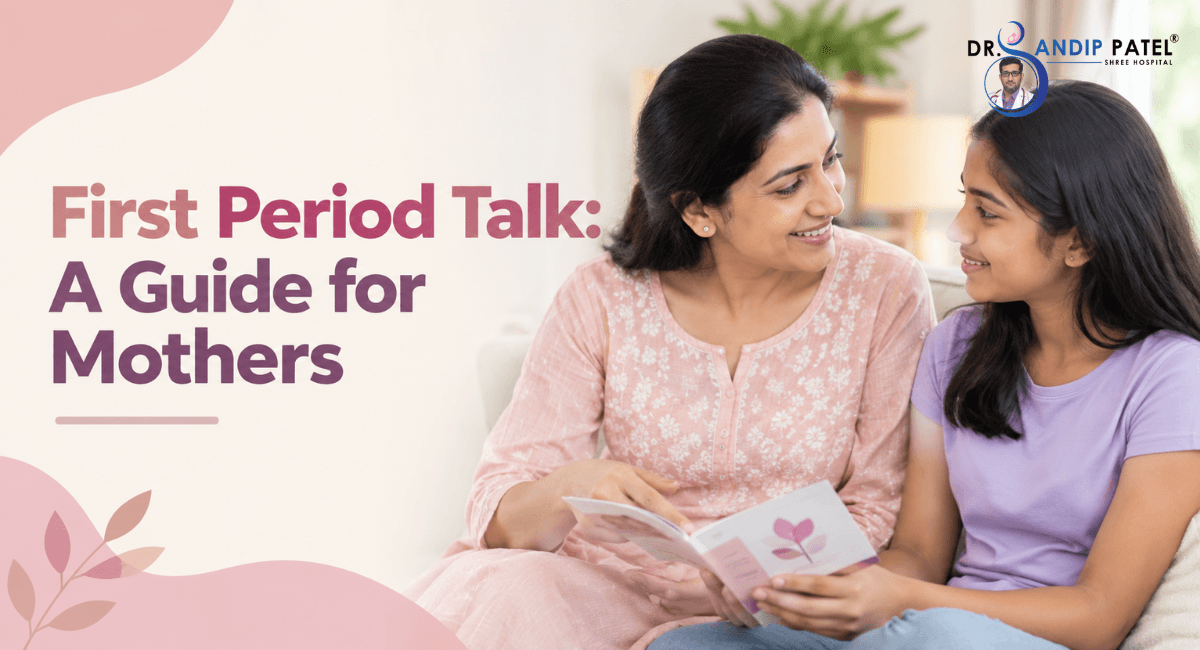
A daughter’s first period can bring many questions, especially if she does not know what to expect. She may feel worried about the bleeding, wonder whether something is wrong, or feel uncomfortable discussing these changes. For mothers, the first period talk is an opportunity to explain menstruation before it begins and help their daughters feel prepared rather than frightened.
Knowing how to explain periods in simple words can make this conversation easier. Explain what happens in the body, what she may experience, and how she can manage her periods at school or at home. You do not need to cover everything in one conversation. Giving her information gradually can help her feel comfortable asking questions.
Periods are a natural part of puberty, but a girl may not understand this if nobody has explained it to her. If her first period starts unexpectedly, she may mistake the bleeding for an injury or become anxious about telling someone.
Talking to daughter about periods beforehand helps her understand that menstruation is a normal body process, not an illness or something to feel ashamed of. It also gives her time to learn how to use sanitary products, maintain hygiene, and ask for help when needed.
During puberty, the body begins producing hormones that help the reproductive system mature. Each menstrual cycle, the lining inside the uterus becomes thicker in preparation for a possible pregnancy. When pregnancy does not occur, this lining sheds and leaves the body through the vagina as menstrual bleeding.
This is what a period is. It is a normal process that usually continues until menopause, apart from times when periods naturally stop, such as during pregnancy.
Most girls get their first period for girls between the ages of 10 and 15, although it can happen earlier or later. Breast development and the appearance of underarm or pubic hair are common signs of puberty. Mothers can begin the first period talk around the age of 8–10, so their daughters have time to understand these changes before menstruation begins.
Keep the conversation practical and allow your daughter to ask questions. Focus on the things she needs to know to feel prepared.
Tell her that periods usually happen about once a month, although the timing may be irregular during the first few years. She may experience mild cramps, tiredness, or changes in mood, but these symptoms vary from person to person.
Explain that having a period does not mean she is unwell and that she can continue her usual activities, including going to school, playing and exercising, as long as she feels comfortable.
Practical guidance can make a big difference. Show her how to use a sanitary pad, where to keep spare products, and how to change a pad when needed. Explain that pads should be changed regularly, depending on the flow and product instructions, and that hands should be washed before and after changing them.
You can also help her prepare a small period kit with sanitary pads, spare underwear, and a small disposal bag. This can be useful when her period starts at school or while travelling.
Good menstrual hygiene for girls includes changing sanitary products regularly, washing the external genital area gently with water, and wearing clean underwear. Scented products and harsh soaps around the intimate area are best avoided because they may cause irritation.
Explain that used pads should be wrapped and placed in a bin rather than flushed down the toilet. These simple habits help her manage periods comfortably and confidently.
Some discomfort can occur during menstruation, but severe pain or unusually heavy bleeding should not be dismissed as normal. Tell your daughter that she can always approach you if she feels unwell, notices something unusual, or needs help managing her period.
A relaxed conversation is often more helpful than a formal lecture. Choose a private moment when neither of you feels rushed. Use simple, accurate language and answer her questions honestly.
If she feels embarrassed, do not force her to discuss everything at once. You can return to the topic over several conversations. Encourage her to speak openly without worrying that her questions are silly or inappropriate.
Good period education for girls also means helping them understand that every person’s experience is different. There is no need to compare their periods with those of friends or classmates.
Although periods can be irregular during the first few years, certain symptoms need medical attention. Consider consulting a gynaecologist if your daughter:
A doctor can assess her symptoms, explain what is normal for her age, and recommend treatment if needed.
Help Your Daughter Feel Ready and Confident
The first period talk should help your daughter understand her body, not make her worry about every possible change. Explain the basics, show her how to manage her periods, and remind her that she can come to you whenever she has questions.
When mothers make these conversations open and supportive, girls are more likely to seek help when they need it. If you have concerns about your daughter’s menstrual health or puberty, contact Shree Hospital, Anklav for medical guidance.
The best laparoscopic surgeon in Anklav is one with proven experience, advanced surgical skills, and a patient-first approach. At Shree Hospital, Dr. Sandip Patel is known for his expertise in minimally invasive gynec surgery and consistent outcomes.
Laparoscopic surgery is commonly used to treat ovarian cysts, fibroids, endometriosis, ectopic pregnancy, and infertility-related conditions. It is also used for diagnosis in certain unclear cases.
Yes, laparoscopic surgery is considered very safe when performed by an experienced laparoscopy specialist. It involves smaller cuts, less pain, and a lower risk of complications compared to open surgery.
Recovery is usually faster than traditional surgery. Most patients can return to normal activities within a few days to a week, depending on the procedure and individual health.
Look for a qualified surgeon with experience in advanced laparoscopic procedures, positive patient outcomes, and access to a well-equipped hospital. Personal consultation also helps you feel confident and informed before treatment.
Let’s discuss your fertility goals and create a personalized treatment plan for you.