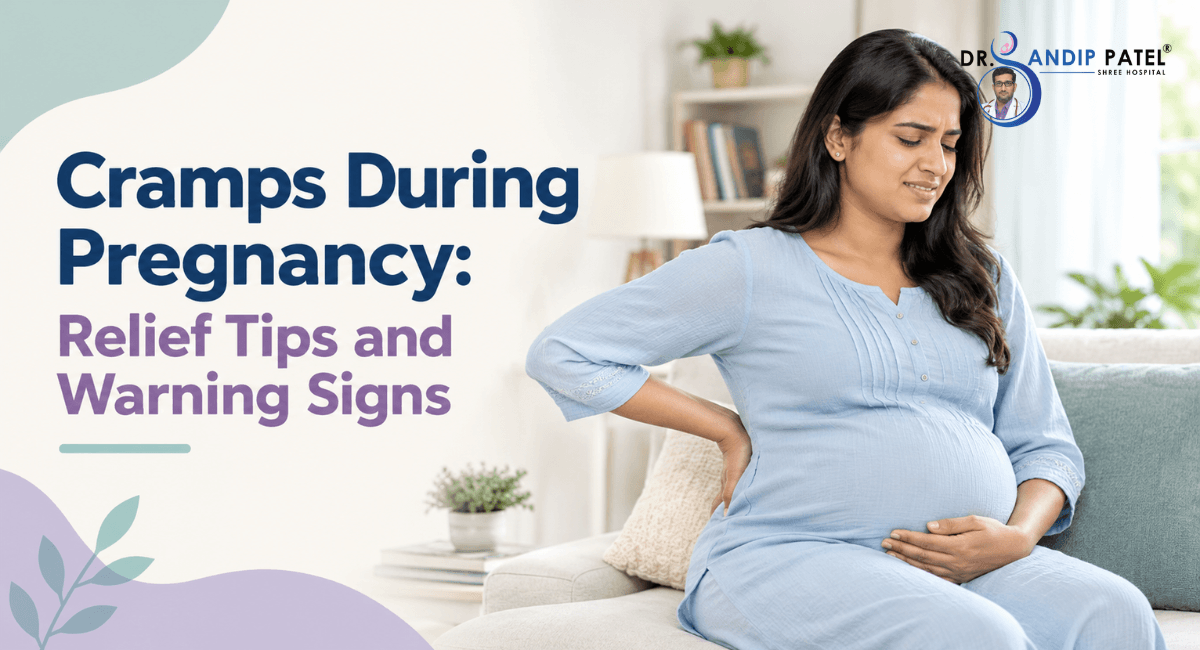
Pregnancy brings many changes to a woman’s body, and some of them can cause discomfort. Mild cramps or a pulling sensation in the lower abdomen are common during pregnancy. However, it is natural to feel worried when you experience pain, especially if this is your first pregnancy.
Understanding cramps during pregnancy can help you recognise what may be normal and when you need medical attention. Although mild cramps are not always a sign of a problem, certain symptoms should never be ignored.
There are several causes of cramps during pregnancy, and they can vary depending on the stage of pregnancy.
Some common reasons include:
Not every cramp has the same cause, so pay attention to how the pain feels, how long it lasts, and whether you have other symptoms.
Cramps in early pregnancy may feel similar to mild period pain. They can occur as the uterus begins to change and the pregnancy develops.
Mild cramps that settle with rest and are not accompanied by other symptoms may not indicate a problem. However, abdominal pain during early pregnancy should be assessed if it persists, becomes severe, or causes concern.
Seek urgent medical attention if you experience pain mainly on one side of your lower abdomen, shoulder-tip pain, dizziness, fainting, or vaginal bleeding. These can be warning signs of an ectopic pregnancy, which occurs when a pregnancy develops outside the uterus.
Do not assume that severe pain is a normal part of pregnancy.
If your cramps are mild and your doctor has not identified a problem, a few simple measures may help.
Avoid sudden movements when standing up or turning in bed. Take a break when you feel uncomfortable, and give your body time to adjust.
Dehydration can contribute to discomfort and may trigger uterine contractions in some situations. Drink water regularly throughout the day.
Light walking or gentle pregnancy-approved stretching may help with gas and constipation. Stop if the activity increases your pain.
A comfortably warm, not hot, compress may help ease mild muscle discomfort. Avoid excessive heat and do not place anything very hot against your abdomen.
These pregnancy cramps relief measures may help with mild discomfort, but do not take painkillers or herbal remedies without checking with your doctor. Some medicines are not suitable during pregnancy.
Although mild cramping can happen during pregnancy, severe cramps during pregnancy need prompt medical assessment.
Contact your doctor if you experience:
Seek emergency care for severe pain, fainting, heavy bleeding or one-sided abdominal pain accompanied by dizziness or shoulder-tip pain. In later pregnancy, severe abdominal pain or reduced baby movements also needs urgent assessment.
If you are unsure whether your symptoms are normal, it is always safer to speak with a healthcare professional rather than wait for the pain to settle.
Not all causes of cramps can be prevented, but regular antenatal check-ups can help identify potential problems early. Attend your scheduled appointments, follow your doctor’s advice, stay hydrated, and discuss any new or unusual symptoms.
Every pregnancy is different. What feels normal for one woman may need medical attention in another, so avoid comparing your symptoms with someone else’s experience.
Cramps during pregnancy can occur for several reasons, including normal changes in the body, digestive problems, and stretching ligaments. Mild cramps may settle with rest and simple care, but severe, persistent, or unusual pain should never be ignored.
If you are experiencing cramps or are worried about your symptoms, contact Shree Hospital Anklav for guidance on the appropriate next steps. Getting medical advice when needed can help you protect your health and support your pregnancy.
The best laparoscopic surgeon in Anklav is one with proven experience, advanced surgical skills, and a patient-first approach. At Shree Hospital, Dr. Sandip Patel is known for his expertise in minimally invasive gynec surgery and consistent outcomes.
Laparoscopic surgery is commonly used to treat ovarian cysts, fibroids, endometriosis, ectopic pregnancy, and infertility-related conditions. It is also used for diagnosis in certain unclear cases.
Yes, laparoscopic surgery is considered very safe when performed by an experienced laparoscopy specialist. It involves smaller cuts, less pain, and a lower risk of complications compared to open surgery.
Recovery is usually faster than traditional surgery. Most patients can return to normal activities within a few days to a week, depending on the procedure and individual health.
Look for a qualified surgeon with experience in advanced laparoscopic procedures, positive patient outcomes, and access to a well-equipped hospital. Personal consultation also helps you feel confident and informed before treatment.
Let’s discuss your fertility goals and create a personalized treatment plan for you.