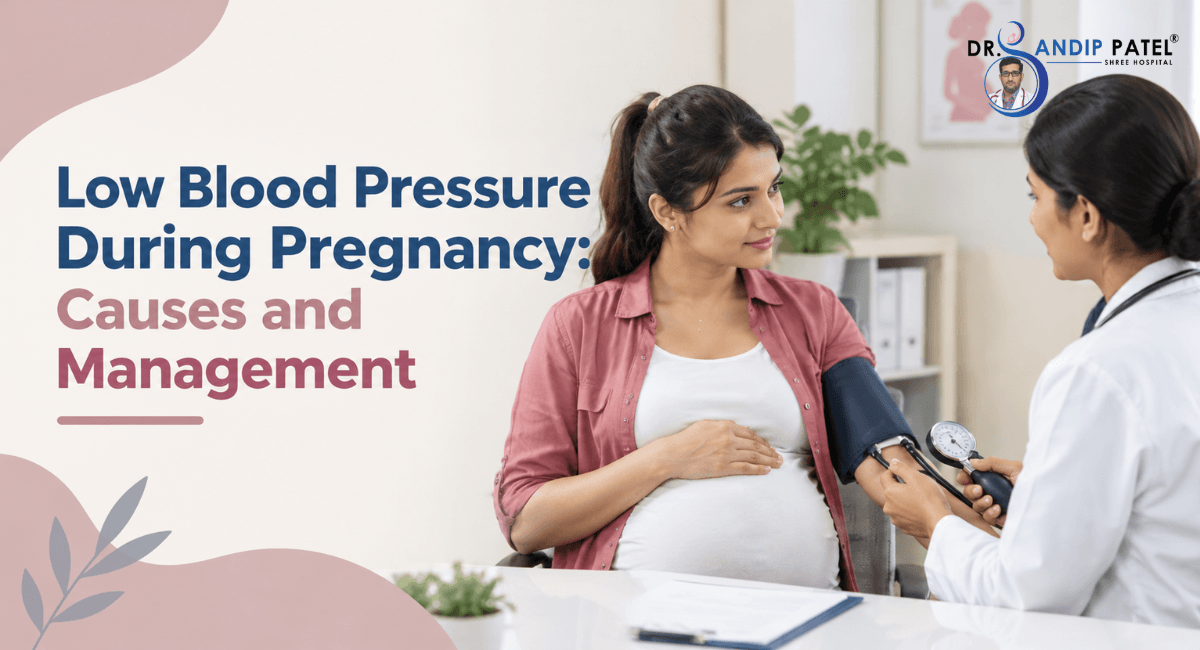
During pregnancy, your body goes through many changes, including changes in blood pressure. Low blood pressure during pregnancy means that your blood pressure is lower than usual. It may cause symptoms such as dizziness, weakness, or feeling faint, especially when you stand up quickly.
A mild drop in blood pressure is common during pregnancy and may not cause serious problems. However, if you frequently feel dizzy, experience blurred vision, or faint, it is important to speak with your doctor. Understanding the causes, symptoms, and ways to manage low blood pressure can help you take care of your health and your baby’s well-being.
Blood pressure below 90/60 mmHg is generally considered low, although your symptoms and usual blood pressure also matter.
Low BP during pregnancy commonly occurs during the first and second trimesters. Pregnancy hormones relax your blood vessels, allowing blood to flow more easily. This can lower your blood pressure as your body adjusts to the changes.
Many women do not experience any symptoms or need treatment. However, if you frequently feel dizzy or weak, consult your doctor.
Yes, a mild decrease in blood pressure is common during pregnancy. Hormonal changes relax your blood vessels, and your body gradually adjusts its blood circulation to support your growing baby.
In many women, blood pressure gradually returns towards its usual level later in pregnancy. However, low blood pressure in pregnancy should be checked if it causes repeated dizziness, fainting, or unusual weakness.
The common causes of low blood pressure during pregnancy include:
Less commonly, bleeding, infections, or heart-related conditions may also cause low blood pressure.
Symptoms can vary from woman to woman. Common signs include:
If you feel dizzy, sit or lie down immediately to prevent a fall. If you are in later pregnancy, lie on your side, preferably your left side if comfortable.
A few simple habits may help manage mild symptoms:
Do not increase your salt intake or take medicines without consulting your doctor.
The right low BP pregnancy treatment depends on the cause and severity of your symptoms.
Many women need only adequate fluids, regular meals, and simple lifestyle changes. If your doctor identifies anaemia, iron supplements may be recommended. Dehydration may require medical treatment, including fluids, depending on its severity.
Your doctor may check your blood pressure and recommend blood tests if needed. Avoid taking medicines or supplements on your own.
Contact your doctor promptly if you experience:
Seek emergency care for severe symptoms, such as fainting without a quick recovery, chest pain, or heavy vaginal bleeding. Persistent low blood pressure in pregnancy with concerning symptoms needs medical attention.
Feeling dizzy or weak during pregnancy can be worrying, but the right medical care can help you understand the cause and manage your symptoms. At Shree Hospital, Anklav, our gynaecology team provides pregnancy care based on your individual health needs.
Our doctors can assess your blood pressure, identify the possible causes of low blood pressure, and recommend suitable low BP pregnancy treatment when needed. You can also receive guidance on hydration, nutrition, and simple lifestyle changes to support your well-being during pregnancy.
If you are experiencing low blood pressure during pregnancy, do not ignore persistent dizziness or weakness. Contact Shree Hospital, Anklav to book your consultation and receive the right medical guidance for a healthy pregnancy.
The best laparoscopic surgeon in Anklav is one with proven experience, advanced surgical skills, and a patient-first approach. At Shree Hospital, Dr. Sandip Patel is known for his expertise in minimally invasive gynec surgery and consistent outcomes.
Laparoscopic surgery is commonly used to treat ovarian cysts, fibroids, endometriosis, ectopic pregnancy, and infertility-related conditions. It is also used for diagnosis in certain unclear cases.
Yes, laparoscopic surgery is considered very safe when performed by an experienced laparoscopy specialist. It involves smaller cuts, less pain, and a lower risk of complications compared to open surgery.
Recovery is usually faster than traditional surgery. Most patients can return to normal activities within a few days to a week, depending on the procedure and individual health.
Look for a qualified surgeon with experience in advanced laparoscopic procedures, positive patient outcomes, and access to a well-equipped hospital. Personal consultation also helps you feel confident and informed before treatment.
Let’s discuss your fertility goals and create a personalized treatment plan for you.