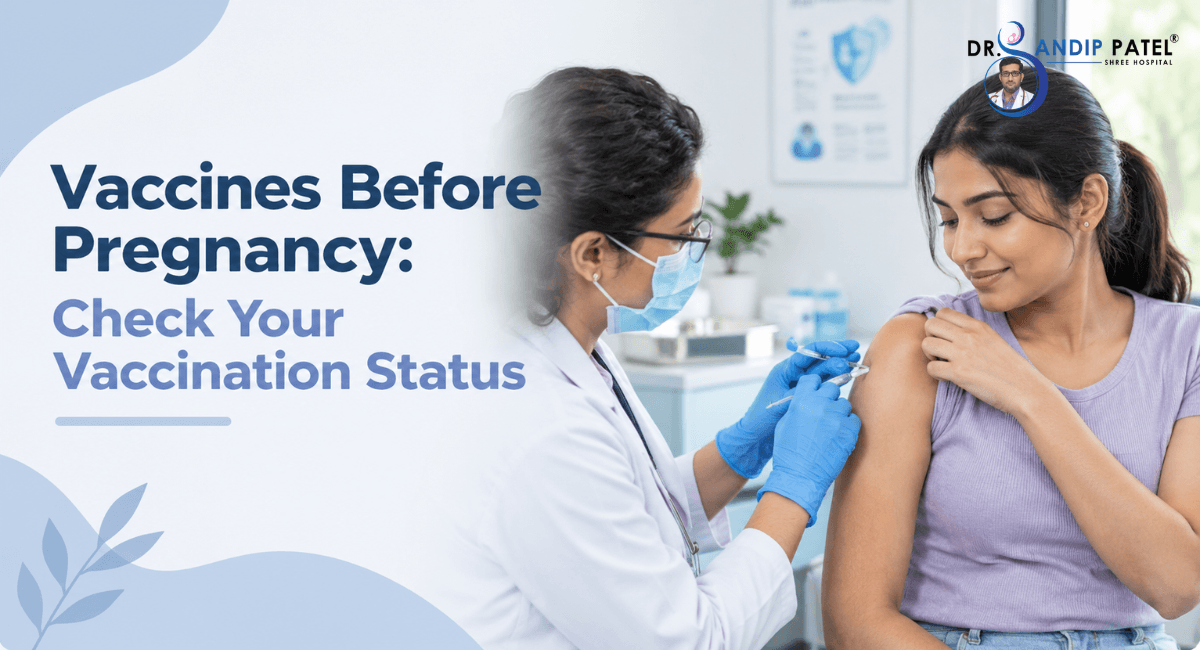
Planning to have a baby involves more than eating healthy food and taking folic acid. It is also important to check whether you are protected against infections that could affect your pregnancy or your baby’s development. Vaccines before pregnancy help protect you against certain infections, including rubella and chickenpox, which can cause serious complications during pregnancy.
Some vaccines are best taken before conception because they are not recommended during pregnancy. Checking your vaccination records early gives you time to receive any required doses and follow the recommended waiting period before trying to conceive.
Why Is Vaccination Before Pregnancy Important?
Certain infections can affect both the mother and the developing baby. For example, rubella infection during pregnancy can cause miscarriage or serious birth defects. Chickenpox can also lead to complications for the mother and baby.
Getting the right vaccination before pregnancy can help reduce these risks. Some vaccines also help a mother pass protective antibodies to her baby, offering protection during the early months of life. However, not every vaccine provides this benefit, and the protection depends on the specific vaccine.
The recommended vaccines before pregnancy depend on your age, medical history, previous vaccinations, and risk of infection. Your doctor can review your records and advise which vaccines you need.
Important: Tetanus-containing vaccines and other vaccines may also be recommended during pregnancy, depending on current Indian guidelines and your medical history. Your doctor will advise which vaccines are appropriate and when they should be given.
Some vaccines before conceiving, including MMR and chickenpox vaccines, contain weakened forms of a live virus. These vaccines are generally not given during pregnancy.
After receiving either vaccine, you should wait at least 28 days before trying to conceive. If you need both vaccines or multiple doses, your doctor will help plan the schedule and explain how long you should wait after the final dose.
Other vaccines, such as hepatitis B, do not require this specific waiting period. However, always confirm the timing with your doctor before planning conception.
Check your status early if:
If you are unsure which vaccines you have received, follow these steps:
Most recommended vaccines are safe when given at the appropriate time. Some may cause temporary side effects, such as pain at the injection site, mild fever, or tiredness. Serious reactions are uncommon, but tell your doctor if you have had a severe allergic reaction to a vaccine in the past.
If you discover that you are pregnant shortly after receiving a vaccine, contact your doctor for advice. An accidental vaccination does not automatically mean that the pregnancy will be harmed.
Shree Hospital, Anklav, provides gynecology and women’s healthcare services, including pregnancy care and reproductive health guidance. The team plans advice according to each woman’s individual health needs.
Whether you need recommended vaccines before pregnancy or want to understand your vaccination before pregnancy options, an early consultation can help you plan a safer pregnancy. Your doctor can also guide you on pre pregnancy vaccination schedules and the right waiting time for vaccines before conceiving.
Remember, vaccines before pregnancy are one small step with a big benefit for you and your baby. To book a consultation, contact Shree Hospital today.
The best laparoscopic surgeon in Anklav is one with proven experience, advanced surgical skills, and a patient-first approach. At Shree Hospital, Dr. Sandip Patel is known for his expertise in minimally invasive gynec surgery and consistent outcomes.
Laparoscopic surgery is commonly used to treat ovarian cysts, fibroids, endometriosis, ectopic pregnancy, and infertility-related conditions. It is also used for diagnosis in certain unclear cases.
Yes, laparoscopic surgery is considered very safe when performed by an experienced laparoscopy specialist. It involves smaller cuts, less pain, and a lower risk of complications compared to open surgery.
Recovery is usually faster than traditional surgery. Most patients can return to normal activities within a few days to a week, depending on the procedure and individual health.
Look for a qualified surgeon with experience in advanced laparoscopic procedures, positive patient outcomes, and access to a well-equipped hospital. Personal consultation also helps you feel confident and informed before treatment.
Let’s discuss your fertility goals and create a personalized treatment plan for you.