Bringing a baby into the world is an incredible experience, but pregnancy and childbirth do not end when your baby arrives. Your body has spent nine months adapting to pregnancy, and it needs time to heal, adjust, and find a new rhythm after delivery.
From a softer belly and changing breasts to hair loss, hormonal fluctuations, and weight changes, postpartum body changes can look and feel different for every woman. Some changes settle within weeks, while others may continue for several months.
Understanding what is normal can make postpartum recovery less stressful and help you recognize when it is time to speak with a gynecologist.
The first six months after delivery are a period of gradual physical recovery. Your uterus begins shrinking, pregnancy-related fluid leaves your body, hormones change rapidly and muscles that stretched during pregnancy and birth gradually regain strength.
There is no single timeline that applies to every mother. Recovery can also vary depending on whether you had a vaginal birth or C-section, breastfeeding, pregnancy complications and your overall health. Cleveland Clinic notes that although the immediate postpartum period is often described as the first six to eight weeks, some physical changes can continue for months.
Here are some of the most common body changes after childbirth.
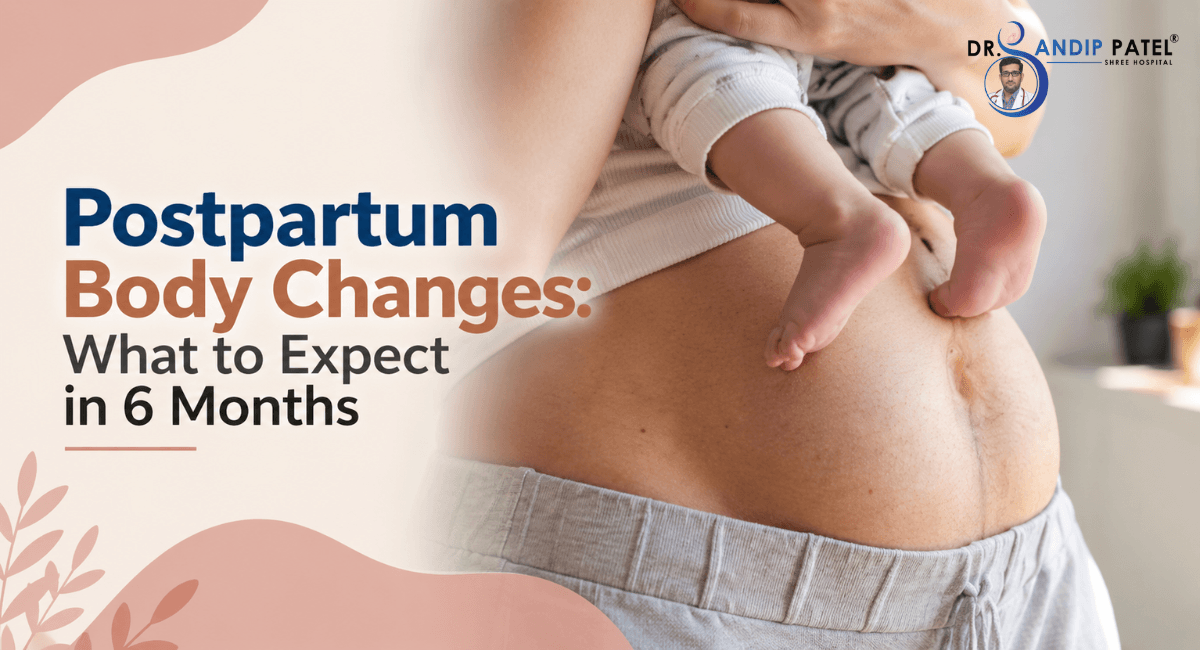
One of the most noticeable physical changes after pregnancy is a belly that still looks pregnant immediately after delivery.
Your uterus has expanded considerably during pregnancy and needs time to return toward its pre-pregnancy size. Your abdominal muscles and skin have also stretched, which means your stomach will not necessarily become flat immediately.
Some women also develop a separation between the abdominal muscles called diastasis recti. Gentle, appropriate exercises and pelvic floor work may help recovery, but don’t start strenuous abdominal exercises too quickly.
Remember that a postpartum belly is not a sign that your body has failed to recover. It is part of the body’s healing process.
Weight is another area where expectations can differ from reality. Some weight is lost immediately after delivery because the baby, placenta and amniotic fluid are no longer present. Additional fluid may also leave the body during the following days.
After that, postpartum weight changes are generally gradual.
Instead of following crash diets, focus on nutritious meals, adequate hydration, rest and gradually increasing physical activity when your healthcare provider says it is appropriate. If you are breastfeeding, your nutritional and hydration needs are also important.
There is no requirement to return to your pre-pregnancy weight within a specific number of weeks. Body recovery after delivery is more important than a number on the weighing scale.
Pregnancy hormones change dramatically after delivery. These hormonal changes after childbirth can contribute to night sweats, mood fluctuations, tiredness, changes in appetite, and other physical symptoms.
Hormonal changes can also affect your menstrual cycle. If you are breastfeeding, periods may not return for some time. If you are not exclusively breastfeeding, menstruation may return sooner. However, ovulation can occur before your first period, so pregnancy is possible even when periods have not returned.
Discuss contraception and menstrual changes with your gynecologist during your postpartum appointments.
Postpartum bleeding, known as lochia, is a normal part of recovery after both vaginal and C-section deliveries. It is usually heavier at first and gradually becomes lighter and changes in colour before stopping.
For many women, bleeding settles over several weeks, although the exact duration varies. NHS guidance notes that postpartum bleeding commonly lasts around six to eight weeks.
Heavy or suddenly increasing bleeding, large clots, dizziness or feeling faint should not be ignored. Seek medical attention promptly if these occur.
Your breasts may become swollen, tender or fuller as milk production begins. Some women experience engorgement, nipple soreness or leaking breast milk.
Breast changes can continue throughout breastfeeding and may gradually change again after breastfeeding is reduced or stopped.
A supportive bra, proper feeding technique and guidance from a healthcare professional can help if discomfort is persistent.
Hair loss is one of the postpartum symptoms that can worry new mothers. During pregnancy, hormonal changes can keep more hair in its growth phase. After delivery, hormonal levels change and increased shedding can occur.
Postpartum hair loss is generally temporary. Mayo Clinic notes that increased shedding can occur for several months after childbirth and usually settles over time.
Stretch marks may also remain visible after pregnancy, although they often fade gradually. Darkened areas of skin may likewise become lighter over time.
Pregnancy and childbirth place significant pressure on the pelvic floor. Some women experience urinary leakage when coughing, sneezing, laughing or exercising after delivery.
Pelvic floor exercises can help strengthen these muscles. NHS guidance also recommends discussing persistent bladder problems or a feeling of heaviness in the pelvic area with a healthcare professional.
Do not assume that ongoing pain, significant urinary leakage or pelvic pressure is something you simply have to live with.
During the first few weeks, your body is focused heavily on healing. Vaginal bleeding, uterine cramps, breast tenderness, fatigue, constipation and perineal soreness can occur.
If you had a C-section, the incision also requires careful recovery and monitoring.
By this stage, many early symptoms begin to settle. However, your abdominal muscles, pelvic floor, weight, menstrual cycle and energy levels may still be changing.
You may gradually increase physical activity according to your healthcare provider’s advice.
During this period, many women notice further improvement in strength and energy. However, some postpartum changes in the first six months can continue, including abdominal changes, weight retention, hair changes and menstrual irregularities.
Recovery is not always linear. Having a difficult day or noticing a symptom again does not necessarily mean that your recovery has stopped.
Some discomfort is expected, but certain symptoms require prompt medical evaluation.
Contact a healthcare professional if you experience:
NHS guidance specifically identifies sudden heavy bleeding, breathing difficulty, calf swelling or pain, fever and certain neurological symptoms as reasons to seek urgent medical attention.
Good postpartum recovery does not require extreme diets or intense workouts. Give your body the basics it needs:
Mayo Clinic recommends gradually incorporating physical activity after pregnancy because appropriate exercise can support fitness, strength, energy and overall wellbeing.
Every woman’s recovery is different. If you are unsure whether a change is normal, discussing it with a gynecologist can provide reassurance and help identify problems early.
A Best gynecologist in Anklav can assess concerns such as persistent pelvic pain, abnormal bleeding, menstrual changes, urinary symptoms, abdominal muscle separation and other postpartum issues based on your individual health history.
At Shree Hospital Anklav, women can also discuss broader reproductive health concerns, including fertility planning and pregnancy-related care. If you are researching fertility options, questions such as IVF treatment cost in Anklav, eligibility, treatment stages and expected outcomes should be discussed directly with a qualified fertility specialist because costs and treatment plans vary from patient to patient.
The first six months after childbirth are a period of adjustment rather than a race to return to your pre-pregnancy body. A changing belly, gradual weight loss, breast changes, hair shedding and hormonal fluctuations can all be part of normal recovery.
The most important goal is not simply how quickly your body looks different. It is whether you are healing well, feeling supported and receiving medical attention when something does not feel right.
If you have concerns about postpartum body changes, postpartum symptoms or your recovery after delivery, Shree Hospital Anklav provides gynecological care focused on women’s health through different stages of life. Speak with a qualified gynecologist to understand your symptoms and create a recovery plan suited to your needs.
The best laparoscopic surgeon in Anklav is one with proven experience, advanced surgical skills, and a patient-first approach. At Shree Hospital, Dr. Sandip Patel is known for his expertise in minimally invasive gynec surgery and consistent outcomes.
Laparoscopic surgery is commonly used to treat ovarian cysts, fibroids, endometriosis, ectopic pregnancy, and infertility-related conditions. It is also used for diagnosis in certain unclear cases.
Yes, laparoscopic surgery is considered very safe when performed by an experienced laparoscopy specialist. It involves smaller cuts, less pain, and a lower risk of complications compared to open surgery.
Recovery is usually faster than traditional surgery. Most patients can return to normal activities within a few days to a week, depending on the procedure and individual health.
Look for a qualified surgeon with experience in advanced laparoscopic procedures, positive patient outcomes, and access to a well-equipped hospital. Personal consultation also helps you feel confident and informed before treatment.
Let’s discuss your fertility goals and create a personalized treatment plan for you.