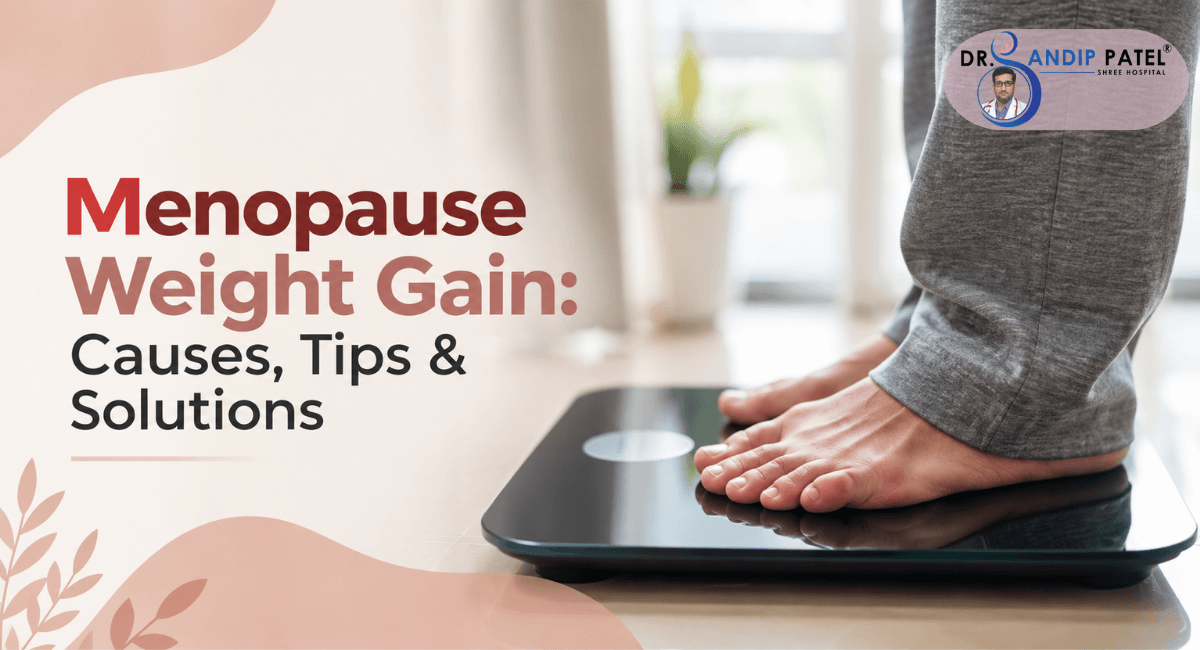
You are eating almost the same foods, staying reasonably active, yet your waistline seems to be changing. Your clothes fit differently, especially around the abdomen, and losing a few extra kilos feels much harder than it used to.
If this sounds familiar, you are not alone. Menopause weight gain is a common concern during midlife. Hormonal changes, aging, loss of muscle mass, changes in activity, sleep problems, and lifestyle factors can all contribute to changes in body weight and fat distribution. Importantly, menopause does not mean that weight gain is unavoidable. Understanding what is happening inside your body can help you make practical changes that support long-term health.
Menopause is officially reached after 12 consecutive months without a menstrual period. The years leading up to menopause, known as perimenopause, can also bring noticeable changes in weight and body composition.
Weight gain during menopause is not simply about gaining more kilos. Many women notice that fat is distributed differently, with more of it accumulating around the abdomen instead of the hips and thighs.
This change is partly associated with declining estrogen levels, but hormones are only one piece of the picture. Aging itself causes gradual muscle loss and changes in energy expenditure. Reduced physical activity, dietary habits, poor sleep, stress, and genetic factors can also influence weight.
There is no single explanation for menopause and weight gain. Several changes can happen at the same time.
During the menopausal transition, estrogen levels decline. This hormonal shift is associated with a tendency to store more fat around the abdomen.
This is why menopause belly fat can become a noticeable concern even when overall body weight has not changed dramatically. Abdominal fat, particularly visceral fat surrounding internal organs, is more concerning for metabolic and cardiovascular health than simply having a larger waistline.
One of the important causes of menopause weight gain is the gradual loss of muscle that occurs with aging.
Muscle tissue uses more energy than fat tissue. As muscle mass decreases, the body may burn fewer calories at rest. This means that eating and exercising exactly as you did in your 30s may no longer produce the same results in your 40s or 50s.
This does not mean that your metabolism suddenly stops. Rather, changes in body composition and activity can make maintaining weight more challenging.
Busy schedules, joint discomfort, fatigue, family responsibilities, or menopause symptoms may make regular exercise more difficult.
When daily movement decreases while food intake remains unchanged, the energy balance can gradually shift toward weight gain.
Hot flashes, night sweats, anxiety, or other menopause symptoms can interfere with sleep. Poor sleep may make healthy eating and regular physical activity more difficult and can contribute to increased snacking and calorie intake.
A changing waistline is not only a cosmetic concern.
Excess abdominal fat is associated with increased risks of conditions such as high blood pressure, insulin resistance, type 2 diabetes, cardiovascular disease, and other metabolic problems. The Menopause Society notes that abdominal obesity is particularly important because visceral fat is metabolically active and can contribute to health risks.
That is why managing weight after menopause should focus on overall health rather than chasing a particular number on the weighing scale.
There is no magic diet or single exercise that can completely prevent menopause weight gain. However, consistent lifestyle habits can make a meaningful difference.
Build meals around nutritious foods such as vegetables, fruits, whole grains, legumes, nuts, seeds, lean protein, fish, and other minimally processed foods.
Protein is particularly useful for supporting muscle maintenance, while fiber can help improve fullness and support digestive health.
Instead of focusing only on eating less, focus on eating foods that provide more nutrition for the calories you consume.
Walking, cycling, swimming, and other aerobic activities are valuable, but resistance or strength training is also important during midlife.
Strength exercises can help preserve muscle mass and support bone health. General guidance recommends at least 150 minutes of moderate aerobic activity per week, along with strength-training activities on at least two days per week.
If you have not exercised regularly, start gradually and speak with a healthcare professional if you have medical concerns.
Sweetened beverages, desserts, highly processed snacks, and frequent high-calorie drinks can add significant calories without making you feel full for long.
Replacing sugary drinks with water or other low-calorie options and choosing whole foods more often can support healthy weight management.
Good sleep should be considered part of a weight-management plan.
Try to maintain a consistent sleep and wake schedule. Regular physical activity during the day and addressing troublesome menopause symptoms can also help improve sleep quality.
If you already have weight gain after menopause, extreme dieting is usually not the answer. A sustainable approach combines appropriate nutrition, regular movement, muscle-strengthening exercise, adequate sleep, and realistic goals.
For some women, maintaining weight may be an appropriate first goal. For others, gradual weight loss may improve blood sugar, cholesterol, blood pressure, mobility, and overall health. The Menopause Society notes that even modest weight loss can provide meaningful health benefits for women who are overweight.
If your weight has increased unexpectedly or you are finding it unusually difficult to manage, consider discussing your overall health, medications, sleep, nutrition, activity level, and menopause symptoms with a healthcare professional.
Hormone therapy is sometimes prescribed to manage specific menopause symptoms, such as bothersome hot flashes, and may provide other health benefits for appropriate patients.
However, hormone therapy should not be considered a weight-loss treatment. Current guidance indicates that it may influence the distribution of abdominal fat, but it has not been shown to directly cause weight loss.
Whether hormone therapy is appropriate depends on individual health history, symptoms, age, timing of menopause, and potential risks. It should be discussed with a qualified healthcare professional rather than started specifically for weight loss.
Weight changes around menopause are common, but you do not have to manage every change on your own.
Consider speaking with a gynecologist if you have:
A consultation can help identify whether your symptoms are related to normal menopausal changes or whether another health concern needs attention.
For women searching for the Best gynecologist in Anklav, choosing a doctor should involve more than simply looking at a title or online listing. Consider the doctor’s qualifications, experience, communication style, approach to women’s health, and whether the clinic provides appropriate evaluation and follow-up.
At Shree Hospital Anklav, women can discuss gynecological and women’s health concerns with a healthcare professional and receive guidance based on their individual needs. Menopause is a natural stage of life, but symptoms such as weight changes, sleep disturbances, hot flashes, and menstrual changes deserve proper attention when they affect your well-being.
Menopause and fertility are different stages of reproductive health, but women researching gynecological care may also have questions about fertility treatment.
If you are specifically looking for information about IVF treatment cost in Anklav, remember that the total cost can vary depending on the treatment plan, investigations, medications, procedures required, and individual fertility factors. A consultation is the best way to understand which tests or treatments may be appropriate and what expenses may be involved.
Menopause can change how your body stores fat, how much muscle you carry, how you sleep, and how easily you maintain your previous weight. But these changes do not mean that healthy weight management is out of reach.
The most effective approach is not a crash diet or a quick fix. Focus on nutritious meals, adequate protein and fiber, regular aerobic activity, strength training, quality sleep, stress management, and appropriate medical guidance.
If menopause weight gain or other menopause symptoms are affecting your quality of life, consider discussing them with a qualified gynecologist. Shree Hospital Anklav is committed to supporting women’s health through different stages of life with personalized medical guidance and care.
This article is intended for general educational purposes and should not replace an individual consultation with a qualified healthcare professional.
The best laparoscopic surgeon in Anklav is one with proven experience, advanced surgical skills, and a patient-first approach. At Shree Hospital, Dr. Sandip Patel is known for his expertise in minimally invasive gynec surgery and consistent outcomes.
Laparoscopic surgery is commonly used to treat ovarian cysts, fibroids, endometriosis, ectopic pregnancy, and infertility-related conditions. It is also used for diagnosis in certain unclear cases.
Yes, laparoscopic surgery is considered very safe when performed by an experienced laparoscopy specialist. It involves smaller cuts, less pain, and a lower risk of complications compared to open surgery.
Recovery is usually faster than traditional surgery. Most patients can return to normal activities within a few days to a week, depending on the procedure and individual health.
Look for a qualified surgeon with experience in advanced laparoscopic procedures, positive patient outcomes, and access to a well-equipped hospital. Personal consultation also helps you feel confident and informed before treatment.
Let’s discuss your fertility goals and create a personalized treatment plan for you.