For many couples, trying to conceive begins with excitement and hope. But when pregnancy doesn’t happen despite months or even years of trying, the emotional stress can become overwhelming. One of the most common yet often overlooked causes of female infertility is tubal blockage, a condition where one or both fallopian tubes become blocked, preventing the egg and sperm from meeting naturally.
The good news is that not every woman with blocked fallopian tubes requires IVF. Depending on the type and location of the blockage, modern Blocked Fallopian Tubes Treatment options, including laparoscopic tubal surgery, may restore fertility and improve the chances of natural conception.
Let’s understand how fallopian tube blockage affects fertility, how it is diagnosed, and when surgery can make a meaningful difference.
The fallopian tubes are narrow passages that connect the ovaries to the uterus. Every month, an egg released from the ovary travels through the fallopian tube, where it may meet sperm for fertilization. The fertilized egg then moves into the uterus for implantation.
When one or both tubes become blocked, this natural process is interrupted. This condition is known as fallopian tube blockage or tubal blockage.
Depending on whether one or both tubes are affected, the chances of natural pregnancy can be reduced or completely prevented.
Several medical conditions can lead to blocked fallopian tubes. Some of the most common causes include:
In many women, the blockage develops gradually without noticeable symptoms, making regular fertility evaluations important.
A gynecologist may recommend several investigations to determine whether the fallopian tubes are open.
Common diagnostic tests include:
This X-ray procedure uses a contrast dye to evaluate whether the tubes are open or blocked.
An ultrasound-based test that checks tubal patency using sterile fluid.
This minimally invasive procedure allows doctors to directly visualize the reproductive organs. It is considered one of the most accurate methods to confirm tubal blockage and identify related conditions such as endometriosis or pelvic adhesions.
Yes. The best Blocked Fallopian Tubes Treatment depends on several important factors, including:
Treatment options may include medication for infections, minimally invasive surgery, or assisted reproductive techniques such as IVF when necessary.
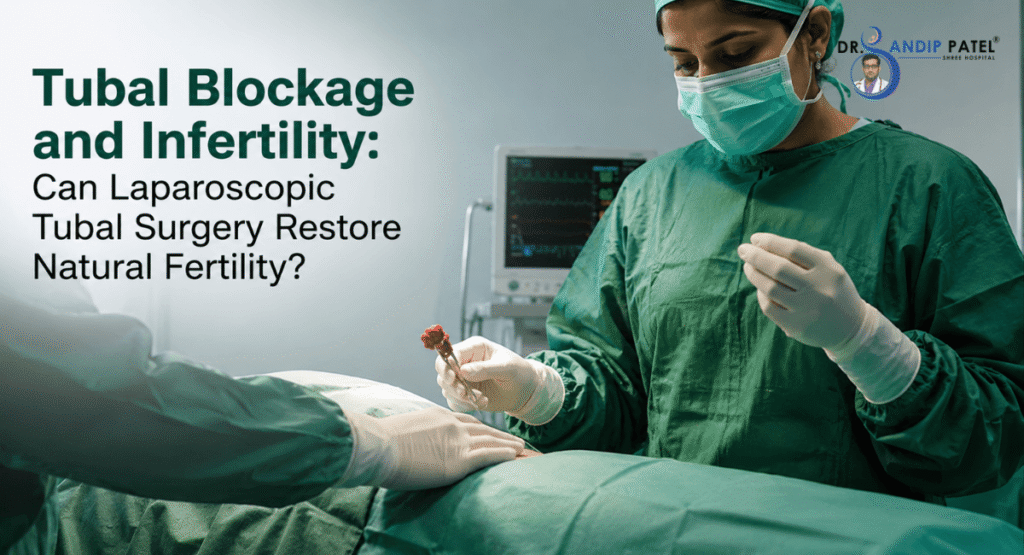
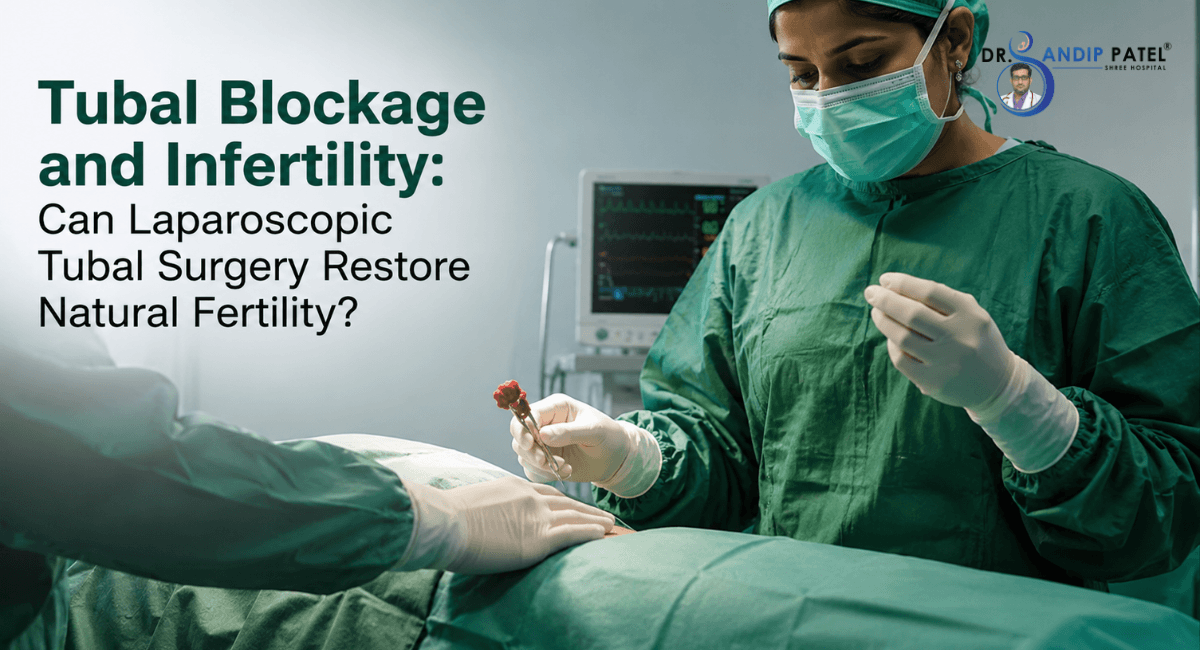
For selected patients, laparoscopic tubal surgery offers an opportunity to restore the normal function of the fallopian tubes without requiring large surgical incisions.
During the procedure, the surgeon inserts a tiny camera and specialized instruments through small abdominal cuts to carefully remove scar tissue, open blocked segments, or repair damaged tubes.
The procedure may include:
Because laparoscopy is minimally invasive, patients generally experience less pain, smaller scars, and faster recovery compared to traditional open surgery.
Not every patient with fallopian tube blockage requires surgery. Careful evaluation helps determine whether tubal surgery for infertility is likely to improve natural pregnancy outcomes.
Women may benefit from surgery if they have:
If the tubes are severely damaged, IVF may offer higher pregnancy success rates. An experienced gynecologist will recommend the most appropriate treatment based on individual fertility assessments.
Recovery is usually quicker than traditional surgery.
Most patients can:
Doctors may recommend trying for pregnancy naturally after adequate healing, depending on the surgical findings.
One of the biggest advantages of successful laparoscopic tubal surgery is the possibility of achieving pregnancy naturally.
Success depends on several factors:
Women with minimal tubal damage often have better chances of natural conception following surgery.
Regular follow-up with your gynecologist helps monitor recovery and guide the next steps in your fertility journey.
Many couples wonder whether surgery or IVF is the right option.
The answer depends entirely on the underlying condition.
Laparoscopic Tubal Surgery | IVF |
May restore natural conception | Bypasses damaged fallopian tubes |
Suitable for mild or moderate blockage | Suitable for severe tubal damage |
One-time corrective procedure | May require multiple treatment cycles |
Pregnancy can occur naturally afterward | Pregnancy occurs through assisted reproduction |
Patients should discuss both options with a fertility specialist before making a decision.
Many couples also ask about the IVF treatment cost in Anklav while comparing treatment options. Since the required treatment varies from patient to patient, consulting a specialist helps determine the most suitable and cost-effective approach based on your medical condition.
A diagnosis of tubal blockage does not always mean your dream of becoming a parent is out of reach. Advances in minimally invasive gynecological procedures have made Blocked Fallopian Tubes Treatment safer and more effective than ever before. For many women, laparoscopic tubal surgery can restore the natural pathway for conception and reduce the need for more advanced fertility treatments.
At Shree Hospital, Anklav, our experienced gynecology team provides comprehensive evaluation and personalized fertility care using modern diagnostic and laparoscopic techniques. Whether you are seeking guidance for tubal blockage treatment, considering tubal surgery for infertility, looking for the best gynecologist in Anklav, or exploring options including the IVF treatment cost in Anklav, we are committed to helping you make informed decisions with compassionate support.
If you have been struggling to conceive, schedule a consultation today and take the first step toward building your family with confidence.
The best laparoscopic surgeon in Anklav is one with proven experience, advanced surgical skills, and a patient-first approach. At Shree Hospital, Dr. Sandip Patel is known for his expertise in minimally invasive gynec surgery and consistent outcomes.
Laparoscopic surgery is commonly used to treat ovarian cysts, fibroids, endometriosis, ectopic pregnancy, and infertility-related conditions. It is also used for diagnosis in certain unclear cases.
Yes, laparoscopic surgery is considered very safe when performed by an experienced laparoscopy specialist. It involves smaller cuts, less pain, and a lower risk of complications compared to open surgery.
Recovery is usually faster than traditional surgery. Most patients can return to normal activities within a few days to a week, depending on the procedure and individual health.
Look for a qualified surgeon with experience in advanced laparoscopic procedures, positive patient outcomes, and access to a well-equipped hospital. Personal consultation also helps you feel confident and informed before treatment.
Let’s discuss your fertility goals and create a personalized treatment plan for you.