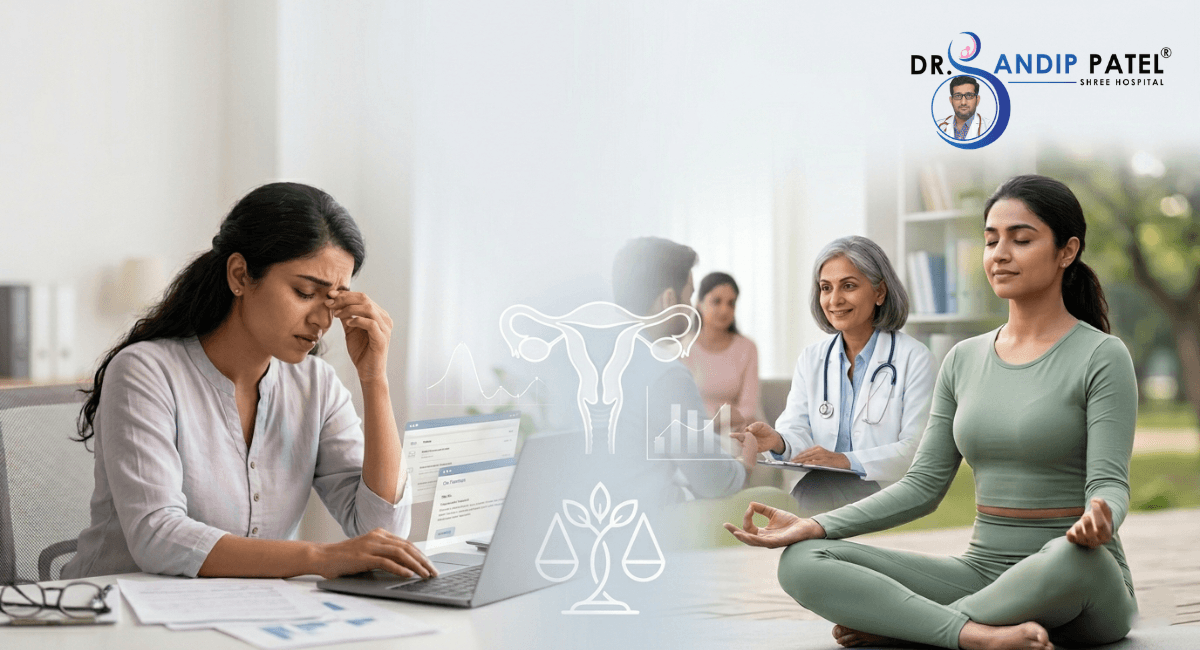
Many factors, including age, lifestyle, overall health, and hormonal balance, influence fertility. Among these, stress and anxiety have gained significant attention for their potential impact on female reproductive health. While stress alone may not directly cause infertility, prolonged emotional strain can affect hormone levels, menstrual cycles, and overall well-being, making it more challenging for some women to conceive.
When the body experiences stress, it releases hormones such as cortisol and adrenaline. Elevated levels of these hormones over time can interfere with the delicate balance of reproductive hormones that regulate ovulation and menstrual cycles.
Women experiencing irregular periods or fertility concerns are often advised to consult the Best gynecologist in Anklav for a thorough evaluation. Identifying underlying reproductive health issues early can help improve fertility outcomes and support overall wellness.
Chronic anxiety can affect sleep patterns, appetite, and lifestyle habits, all of which play a role in reproductive health. Increased stress levels may contribute to hormonal imbalances that influence ovulation and menstrual regularity.
A female hormone specialist in Anklav can assess hormone-related concerns and recommend appropriate treatment plans tailored to individual needs. Professional guidance is particularly important for women who have been trying to conceive without success.
Yoga is a holistic practice that combines physical movement, breathing techniques, and mindfulness. Regular yoga practice may help reduce stress, improve circulation, and promote relaxation, all of which can support reproductive health.
Some beneficial yoga practices include:
Many women who work with the Best gynecologist in Anklav incorporate yoga into their wellness routine as a complementary approach to managing stress and improving overall health.
While yoga can be beneficial, it should be viewed as part of a broader fertility-support strategy. Maintaining a balanced diet, getting adequate sleep, and following medical recommendations are equally important.
A female hormone specialist in Anklav can help identify hormonal imbalances that may affect fertility, while the Best gynecologist in Anklav can evaluate reproductive health and recommend appropriate interventions. Regular consultations with a female hormone specialist in Anklav ensure that treatment plans remain effective and aligned with changing health needs.
Women experiencing persistent fertility challenges should seek guidance from the Best gynecologist in Anklav, who can provide comprehensive assessments and personalized care.
Stress and anxiety can influence hormonal balance and reproductive health, potentially affecting a woman’s fertility journey. Fortunately, practices such as yoga can help manage stress and promote overall well-being when combined with appropriate medical care. At Shree Anklav Hospital, patients receive expert fertility and women’s health services designed to address both physical and emotional aspects of reproductive wellness. With support from experienced specialists, women can take positive steps toward improving their fertility and overall quality of life.
The best laparoscopic surgeon in Anklav is one with proven experience, advanced surgical skills, and a patient-first approach. At Shree Hospital, Dr. Sandip Patel is known for his expertise in minimally invasive gynec surgery and consistent outcomes.
Laparoscopic surgery is commonly used to treat ovarian cysts, fibroids, endometriosis, ectopic pregnancy, and infertility-related conditions. It is also used for diagnosis in certain unclear cases.
Yes, laparoscopic surgery is considered very safe when performed by an experienced laparoscopy specialist. It involves smaller cuts, less pain, and a lower risk of complications compared to open surgery.
Recovery is usually faster than traditional surgery. Most patients can return to normal activities within a few days to a week, depending on the procedure and individual health.
Look for a qualified surgeon with experience in advanced laparoscopic procedures, positive patient outcomes, and access to a well-equipped hospital. Personal consultation also helps you feel confident and informed before treatment.
Let’s discuss your fertility goals and create a personalized treatment plan for you.