
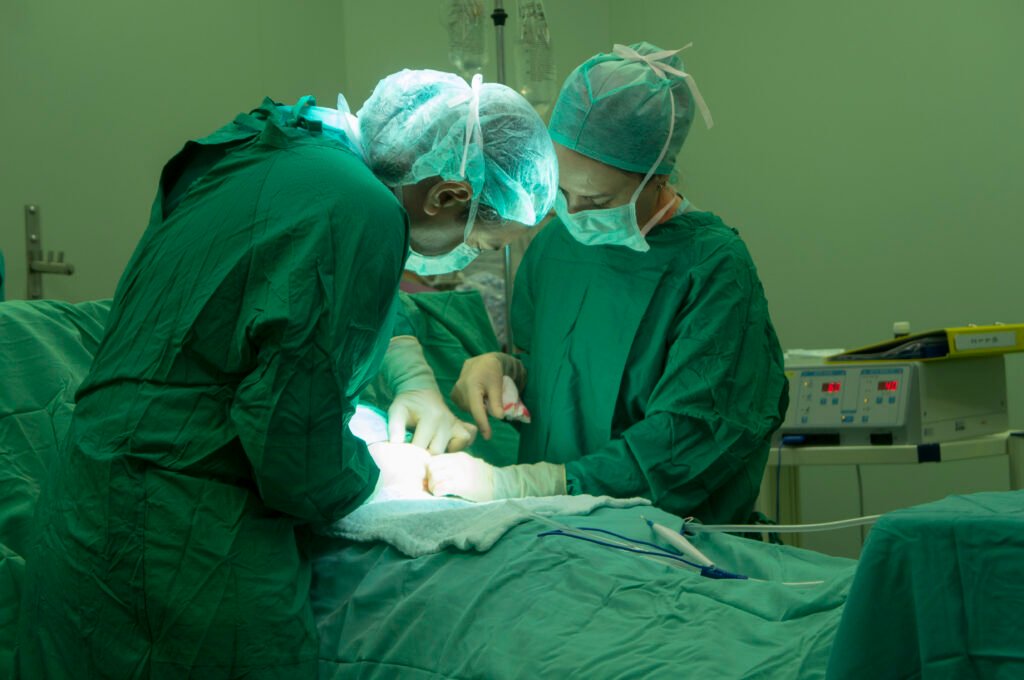
Laparoscopic surgery is a minimally invasive technique used to diagnose and treat gynecological conditions through small incisions with the help of a camera and specialized instruments. Compared to traditional open surgery, it usually results in less pain, shorter hospital stays, and faster recovery. This approach is widely used for conditions affecting the uterus, ovaries, and fallopian tubes.
Advanced gynecology surgery in Anklav focuses on treating fibroids, ovarian cysts, endometriosis, abnormal bleeding, and uterine disorders with improved precision. Women seeking structured surgical care often look for experienced specialists and modern facilities that support safe outcomes and careful monitoring throughout the procedure.
Treatment begins with a detailed evaluation to confirm the diagnosis and determine whether minimally invasive surgery is appropriate.
Services may include:
For women requiring uterus removal due to medical conditions, choosing a laparoscopic hysterectomy hospital in Anklav ensures advanced surgical care with reduced recovery time. Every procedure is planned after reviewing overall health, imaging findings, and patient goals.
Laparoscopic surgery has transformed women’s surgical care by reducing tissue trauma and improving recovery outcomes. Advanced gynecology surgery in Anklav is performed using modern techniques that allow better visualization and accuracy. Patients often benefit from smaller scars, less blood loss, and a quick return to daily activities. Consulting the Best laparoscopic surgeon in Anklav helps ensure that surgical decisions are evidence-based and focused on long-term reproductive and overall health.
It is commonly used for fibroids, ovarian cysts, endometriosis, ectopic pregnancy, and certain uterine conditions.
Yes. When performed by an experienced surgical team with proper monitoring, it is considered safe and effective.
Most patients resume routine activities within one to two weeks, depending on the type of procedure performed.
It may be advised for severe fibroids, chronic abnormal bleeding, uterine prolapse, or other medical conditions not responding to medication.
Look for Surgical experience and surgical skills, hospital infrastructure, patient safety standards, and clear preoperative counseling before making a decision.
Let’s discuss your fertility goals and create a personalized treatment plan for you.